3–4 Person Outdoor Tunnel Tent: Base-Camp Comfort Guide
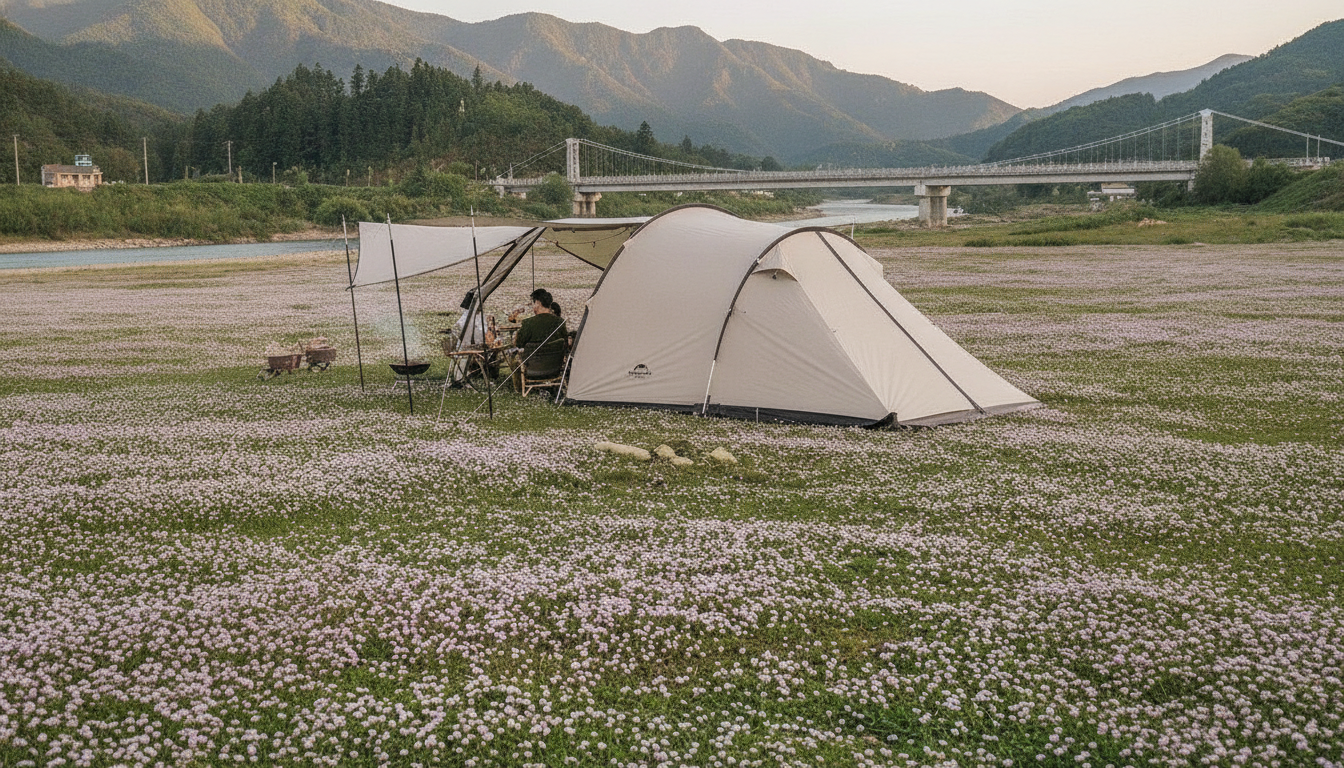
3–4 Person Outdoor Tunnel Tent for Comfortable Base Camps
A tunnel tent is built for roomy sleeping space, efficient airflow, and a low-profile shape that handles variable conditions at camp. This guide walks through what to look for, how to set it up well, and how to get the most comfort from a 3–4 person tunnel-style shelter—especially for weekend base camps, car camping, and longer stays where livability matters.
What Makes a Tunnel Tent Different
Tunnel tents use a long, arched profile that prioritizes usable floor length and practical storage. Instead of focusing on height at the center, many tunnel designs spread space along the sides and down the length of the tent, which can make the sleeping area feel less cramped when two people are using wider pads.
- Elongated shape creates a generous sleeping bay and often a larger vestibule footprint for gear storage.
- Arched pole structure can feel spacious at the sides compared with many dome designs.
- Typically pitches best with stakes and guylines to keep the structure stable and tensioned.
- A good choice for base camps where the tent stays up for multiple nights and gear organization matters.
Who a 3–4 Person Tunnel Tent Fits Best
A 3–4 person tunnel tent shines when “comfort per person” matters more than shaving ounces. It’s a strong match for campers who want clear zones for sleeping, storing packs, and managing wet shoes or layers without turning the sleeping bay into a pile of gear.
- Two campers who want extra room for wide pads, duffels, and comfortable changing space.
- Three campers sharing standard pads, with gear prioritized into the vestibule or a separate tarp area.
- Small families needing one main sleeping area plus protected entry for shoes, packs, and wet layers.
- Car camping and established campgrounds where a slightly larger packed size is acceptable.
Key Comfort Features to Prioritize
Comfort in a tunnel tent is usually a blend of airflow, smart storage, and an entryway that doesn’t drip on you during rainy mornings. When comparing options, focus on how the tent behaves after hours of real use—sleeping, changing, and getting in and out repeatedly.
- Ventilation: multiple vents and a door configuration that supports cross-breeze during warm nights.
- Weather protection: a full-coverage rainfly and a bathtub-style floor edge to reduce splashback and runoff intrusion.
- Vestibule space: enough covered area for packs, boots, and cooking gear storage (never cook inside the sleeping area).
- Interior organization: pockets, loops, and a sensible door layout to reduce clutter in the sleeping bay.
- Entry experience: a door height and zipper path that makes it easy to get in and out without brushing wet fly fabric.
For safety planning on trips where storms could roll in, it’s worth checking official forecasts and alerts before you leave and during your stay. The NOAA National Weather Service weather safety page is a solid starting point.
Quick Comparison: Tunnel vs Dome vs Cabin-Style Shelters
Different shapes feel “better” in different campsites. Use the snapshot below to match the tent style to your typical conditions—especially wind exposure, the size of your tent pad, and how much you value a large vestibule.
| Style | Strengths | Trade-offs | Best use cases |
|---|---|---|---|
| Tunnel | Roomy length, efficient living space, big vestibules | Needs solid staking/guying; footprint can be longer | Base camp, family weekends, organized gear storage |
| Dome | Simple setup, adaptable footprint, balanced stability | Often less vestibule volume unless upgraded | Mixed weather trips, smaller pads, quick overnights |
| Cabin / family shelter | Tall ceiling, easy movement, hangout-friendly | Can be wind-sensitive; usually larger packed size | Car camping, group camps, fair-weather comfort |
Setup That Improves Stability and Reduces Condensation
A tunnel tent rewards a careful pitch. When everything is tensioned correctly, the fabric stays quieter in gusts and moisture is less likely to linger inside.
When choosing your exact spot, follow established campground rules and basic camping safety practices such as keeping a safe distance from hazards and staying aware of changing weather. The National Park Service camping safety guidance is a helpful reference.
Care and Maintenance for Long Tent Life
Good campsite habits matter, too—durable surfaces, respectful waste handling, and minimizing impact help keep camp areas usable for everyone. The Leave No Trace Seven Principles offer a clear standard.
Featured Options for Easy, Livable Camp Setups
3-4 Person Outdoor Tunnel Tent
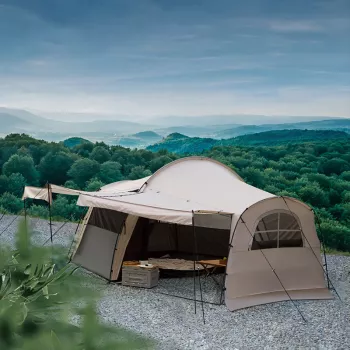
Living Room Outdoor Family Shelter Tent
FAQ
Will a 3–4 person tunnel tent fit four adults comfortably?
Usually not comfortably for most groups. Capacity ratings tend to be tight, so four adults often means shoulder-to-shoulder pads with little room for gear inside; three adults (or two adults with gear) is typically a better comfort match, especially when you use the vestibule for packs and boots.
How can condensation be reduced in a tunnel tent?
Keep vents open, position the door/vents to encourage cross-breeze, and avoid low, damp spots where cool air settles. Store wet gear in the vestibule, make sure the fly and inner are pitched correctly, and wipe down interior walls in the morning on longer stays.
Do tunnel tents handle wind well?
They can do well when you align the tent with the wind and fully stake and guy it out for a taut pitch. Use all guylines in gusty conditions, tension evenly, and choose a naturally sheltered site when possible rather than relying on the tent alone.












Leave a comment