Bamboo-Inspired LED Wall Sconce: Modern Warm Glow
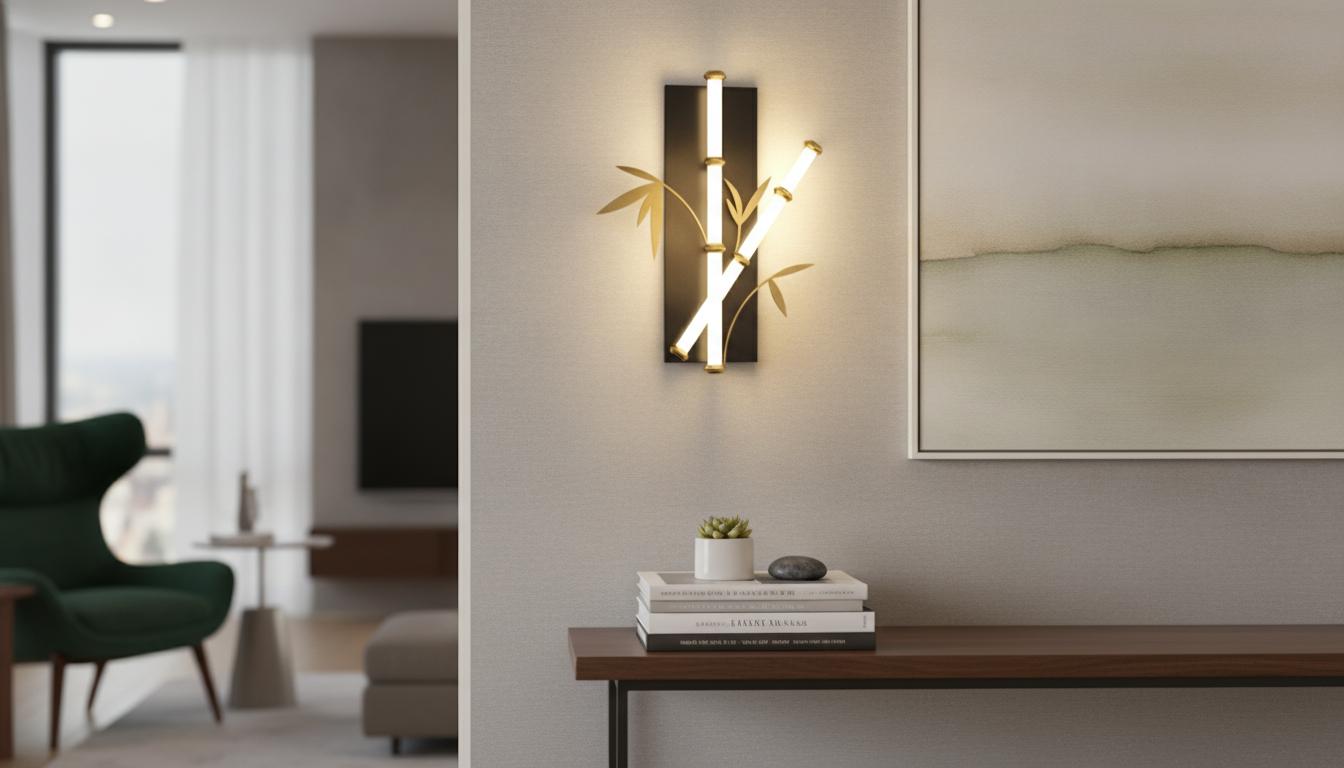
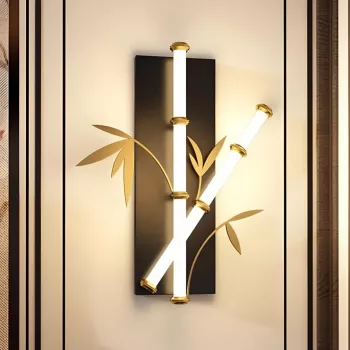
Elegant Bamboo-Inspired LED Wall Sconce for Modern Home Lighting
Sculptural, nature-inspired lighting can soften modern interiors while still feeling clean and architectural. The Elegant Bamboo-Inspired LED Wall Sconce for Modern Home Lighting pairs a warm, organic silhouette with efficient illumination, making it a practical choice for hallways, bedside walls, reading corners, and accent lighting in living spaces.
What Makes the Bamboo-Inspired Look Feel Modern
Bamboo-inspired lines create a calming vertical rhythm—more spa-like than rustic—so the fixture can live comfortably in contemporary rooms with smooth walls and streamlined furniture. The form also acts like a “bridge” element: it connects minimalist interiors to warmer textures like wood, rattan, and linen without forcing a full décor shift.
Because the profile is slender, it keeps walls feeling taller and less visually crowded than bulkier sconces. It also functions as décor even when it’s switched off, which is especially helpful in entryways and in-between spaces that benefit from a focal point but don’t always need overhead lighting.
Light Quality and Everyday Comfort
LED lighting is known for consistent brightness and lower heat output than many traditional bulb setups. If the goal is a relaxed mood, warm white light (often 2700K–3000K) tends to feel inviting in bedrooms and living rooms. For task-leaning areas—like hallways, dressing zones, or anywhere you want a slightly crisper look—neutral white (around 3500K–4000K) can feel cleaner and more alert.
For comfort, layering matters: instead of relying on a single light source, pair wall sconces with a ceiling fixture and one additional task light (like a floor lamp near a reading chair). Also consider glare—diffused or indirect output reduces harsh hotspots, which can be noticeable on glossy paint or framed artwork glass.
If you want to dive deeper into LED performance and efficiency, the U.S. Department of Energy’s Solid-State Lighting resources are a helpful reference: https://www.energy.gov/eere/ssl/solid-state-lighting.
Where This Sconce Fits Best
This style of sconce is versatile because it can be functional (guiding you through a hallway) and decorative (highlighting a wall texture) at the same time. It works particularly well in these placements:
- Bedside walls: frees up nightstand space and provides focused light for winding down or casual reading.
- Hallways and stair landings: adds guidance lighting and visual interest along long stretches of wall.
- Living room accents: frames a console, highlights a textured wall, or balances a gallery arrangement.
- Bathroom vanity sides (only if rated appropriately for damp locations): creates flattering, even facial lighting when placed on both sides of a mirror.
- Entryway: a welcoming glow that sets the tone right after the door opens.
Quick Placement Guide
| Location | Recommended Height | Spacing | Notes |
|---|---|---|---|
| Bedside | 50–60 in (127–152 cm) from floor to center | One per side of bed | Align with pillow area; avoid direct glare into eyes |
| Hallway | 60–66 in (152–168 cm) to center | 6–10 ft (1.8–3 m) apart | Adjust spacing for brightness and wall art locations |
| Stairs/Landings | 60–66 in (152–168 cm) to center | Per landing/turn | Aim to keep light consistent at transitions |
| Living Room Accent | 58–66 in (147–168 cm) to center | Symmetrical pairs or focal singles | Coordinate with sofa/console proportions |
| Mirror Sides | Eye level to center | One on each side | Use matched pair for the most even lighting |
Materials, Finish, and Styling Pairings
The bamboo-inspired silhouette looks best when the surrounding materials support the same “natural-meets-modern” balance. It pairs naturally with pale woods, walnut tones, matte black accents, and brushed metal hardware. A simple rule: echo what’s already in the room—door handles, furniture legs, or cabinet pulls—so the sconce looks intentional rather than added later.
For a coordinated space, pair lighting and furniture with shared organic cues, such as the Nordic Rattan Leisure Single Sofa Chair – Solid Wood, Modern Fabric Design, which reinforces a natural texture story without losing a modern profile.
Installation and Electrical Planning
For moisture-prone locations like bathrooms (or covered outdoor areas), verify the fixture’s damp/wet rating before installation. For safety and certification basics, UL Solutions provides clear guidance on lighting compliance and standards: https://www.ul.com/.
Care, Longevity, and Keeping It Looking New
Coordinating Lighting for a Cohesive Room
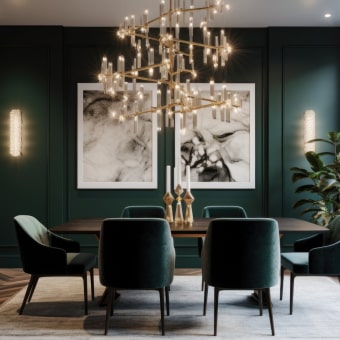
Keep color temperature consistent within the same open-plan area so adjacent zones don’t clash. If you’re mixing styles, unify the room with one repeating element—finish color, material tone, or a shared organic motif. For example, a refined dining statement like the Elegant Art Deco-Inspired Crystal Branch Chandelier for Dining Room can still coordinate with bamboo-inspired wall lighting when the finishes and overall mood remain intentional.
For additional reading on lighting and human factors (comfort, perception, and how light affects spaces), the Lighting Research Center is a reputable source: https://www.lrc.rpi.edu/.
FAQ
Is this wall sconce bright enough to use as the main light in a room?
Wall sconces are often best as accent or supplemental ambient lighting rather than the only light source. Whether it can serve as the main light depends on the lumen output, room size, wall color (dark walls need more light), and how many fixtures you install.
Can it be used on both sides of a bed or mirror?
Yes—pairing sconces on both sides creates a balanced, high-end look and improves functional lighting. Measure carefully for matching heights and spacing, and consider switch placement and dimming so both sides feel equally convenient.
Does it work with a dimmer switch?
It can, as long as the LED driver is dimmable and the dimmer type is compatible. Using the right dimmer helps prevent flicker and provides a smoother, more usable dimming range.








Leave a comment