Stop Nail Splitting: Daily Habits for Stronger Nails

Brittle, splitting nails are usually the result of small, repeated stresses—water exposure, harsh chemicals, mechanical trauma, and gaps in daily care. A few targeted habit changes can reduce breakage quickly, while longer-term strength comes from protecting the nail plate as it grows out.
Why nails break: the most common patterns
Most nail “problems” show up in a few predictable ways. Noticing your pattern helps you pick the fix that actually matters.
- Peeling layers (onychoschizia): often linked to frequent wet/dry cycles, detergents, and aggressive filing or buffing.
- Long, deep splits (onychorrhexis): can be related to repeated trauma, dryness, or underlying skin/nail conditions.
- Snags that turn into tears: usually from rough free edges, thin corners, or using nails as tools.
- Breaks concentrated on one hand: commonly from hand dominance and daily tasks (opening cans, scratching labels, typing pressure).
For practical nail-care basics backed by dermatology guidance, the American Academy of Dermatology Association highlights simple habits that protect the nail plate and cuticles.
Breakage triggers checklist (and what to do instead)
If nails keep splitting, the fastest progress often comes from reducing the few triggers that repeat every day.
- Reduce wet work without gloves: water swells nails, and repeated drying increases brittleness.
- Limit acetone and high-frequency polish removal: use targeted removal and re-oil after.
- Avoid metal tools under the free edge: use a soft brush and gentle soap instead.
- Stop aggressive buffing: it thins the nail plate and increases peeling.
- Change “nails as tools” habits: use a key, opener, or scraper instead of the nail edge.
Common triggers and quick swaps
| Trigger | Why it causes breakage | Better option |
|---|---|---|
| Washing dishes without gloves | Repeated swelling and drying weakens layers | Nitrile gloves + cuticle oil after |
| Picking at polish/gel | Peels surface layers with the coating | Soak off properly; keep nails short until recovered |
| Filing back-and-forth with a rough file | Creates micro-tears at the edge | Fine-grit file; file in one direction |
| Frequent hand sanitizer without moisturizing | Alcohol strips oils | Sanitize, then apply hand cream or oil |
| Using nails to pry/open | Leverages the free edge and cracks the plate | Use a tool; keep corners softly rounded |
A simple daily routine that protects nails as they grow
Consistency beats intensity. A small routine done daily reduces micro-cracks that turn into major breaks later.
- Morning: apply hand cream, then a drop of cuticle oil around each nail to reduce dryness and micro-cracking.
- During the day: wear gloves for cleaning, dishes, gardening, or prolonged water exposure.
- After handwashing: moisturize while skin is slightly damp to lock in hydration.
- Evening: check free edges for snags; smooth with a fine-grit file to prevent tears overnight.
- Weekly: trim to a practical length and maintain a consistent shape to reduce stress points.
Shaping and filing for fewer splits
Many breaks start as tiny edge defects. The goal is to keep the free edge smooth and evenly supported.
- Choose a shape that reduces corner stress: short squoval or rounded edges tend to snag less than sharp corners.
- File the free edge before it catches: tiny chips become full breaks when ignored.
- Use a finer grit for natural nails: it minimizes fraying (save coarse files for artificial enhancements).
- Keep sidewalls supported: avoid over-filing the sides, which weakens the structure.
- If nails peel: reduce filing pressure and focus on sealing the edge with gentle strokes.
Hydration and barrier care: what actually helps brittle nails
Water is a common culprit—not because water is “drying,” but because nails absorb it and then lose it repeatedly. Over time, that expansion and contraction can encourage peeling and splitting.
For a medical overview of common causes and practical treatment approaches, see Cleveland Clinic’s guide to brittle nails.
Nutrition and health factors to keep in mind
- Give changes time: improvements from lifestyle or nutrition shifts can take weeks to months to become visible at the free edge.
- Prioritize protein and overall balance: adequate protein supports keratin production, along with a generally nutrient-dense diet.
- Be cautious with supplements: if considering biotin, review safety and dosing guidance first—more is not always better. The NIH Office of Dietary Supplements biotin fact sheet is a helpful starting point.
- Know when to ask for help: persistent brittleness, pain, color changes, or lifting may signal a condition worth discussing with a clinician.
Repair mode: what to do when nails are already splitting
Digital guide for a step-by-step plan
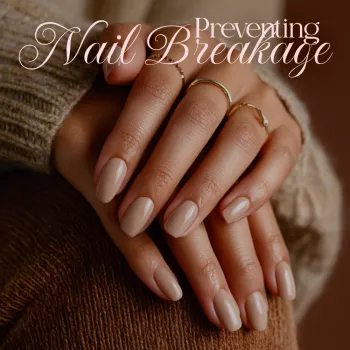
For a structured routine, the Preventing Nail Breakage Guide (digital download) organizes habits into clear daily and weekly actions. It works well as a reset plan for brittle nails: identify likely triggers, set a short routine, and track what changes reduce splits.
If setting up a consistent self-care spot helps you stick with the routine, comfortable seating can make weekly nail maintenance feel less like a chore. A supportive option like the Nordic Rattan Leisure Single Sofa Chair – Solid Wood, Modern Fabric Design can turn your “five-minute file and oil” habit into something you’ll actually repeat.
FAQ
How long does it take to notice less nail breakage?
Quick habit changes often reduce snags and splitting within 1–2 weeks. Visibly stronger growth takes longer—typically several weeks to months—because new, healthier nail has to grow out to the free edge.
Does strengthening polish fix brittle nails?
Strengthening polish can help protect the surface and reduce peeling for some people. It works best when paired with moisturizing and gentle filing, since harsh removers and aggressive buffing can worsen brittleness.
Is frequent handwashing bad for nails?
Frequent wet/dry cycles can increase brittleness over time. Using gloves for wet work and moisturizing right after washing helps counteract that stress.















Leave a comment