Mobile Barbecue Grill Guide: Patio, Tailgates, Camping
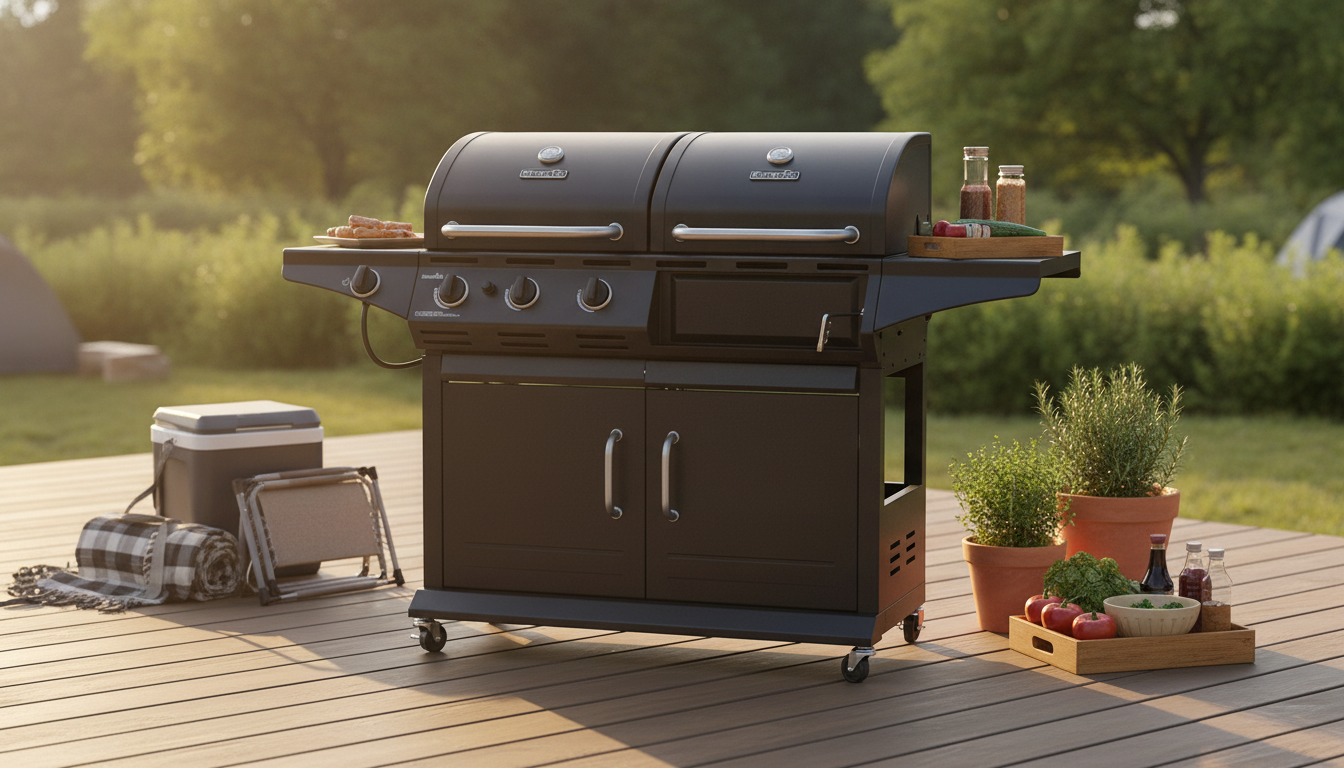
Mobile Barbecue Grill for Patio, Tailgates, and Camping
A mobile barbecue grill makes outdoor cooking more flexible than a fixed patio setup. With smooth-rolling wheels, a stable frame, and a compact footprint, it can travel from driveway to backyard, pack into a vehicle for a tailgate, or roll into storage when weather turns. The best choice comes down to fuel type, heat control, cooking area, cleanup, and how often the grill will be transported.
What “mobile” should mean in a barbecue grill
Mobility isn’t only about adding wheels. A truly mobile grill should feel easy to relocate, stay steady while cooking, and be simple to secure when you’re done.
- Easy to move: Wheels that roll smoothly over patio seams, gravel, or grass, plus a handle positioned for comfortable pulling.
- Stable when cooking: Locking casters or a wide stance to reduce wobble when flipping food.
- Compact storage: A footprint that fits in a garage corner, shed, or under a covered patio.
- Transport-friendly: Manageable weight and a shape that fits common trunk/hatch openings.
- Quick readiness: Fewer parts to assemble each time it’s moved, and a lid that latches or closes securely.
Where a mobile grill fits best
- Tailgates and game days: Roll out, set up a safe cooking zone, and keep serving while guests circulate.
- Camping and cabins: Cook near the site while keeping the grill safely away from tents and flammables.
- Balcony or small patio use: Prioritize compact size, predictable heat control, and easy cleanup (always follow local rules and building policies).
- Backyard flexibility: Shift with shade, wind direction, or an entertaining layout without moving heavy furniture.
- Pop-up events: Faster setup and teardown, with a form factor that doesn’t require a permanent cooking station.
For longer hangs, pairing your cook zone with simple comfort upgrades can help—like a shaded staging area and a seat that’s easy to reposition. If you’re setting up a temporary “outdoor room,” a Living Room Outdoor Family Shelter Tent can help define the space, while a lightweight accent seat such as the Nordic Rattan Leisure Single Sofa Chair works well near (not next to) the cooking area.
Fuel and heat control: choosing the right cooking style
Fuel type shapes how fast you can start, how precisely you can dial heat, and what kind of cleanup to expect after relocating.
- Charcoal: Classic flavor and high-heat searing; look for adjustable vents and an ash collection approach that won’t spill during movement.
- Propane/gas: Fast preheat and easy control; consider tank compatibility, regulator quality, and whether wind affects burner performance.
- Electric (where allowed): Consistent heat and simpler startup; verify outdoor-rated design and safe cord management.
- Heat management features to prioritize: Lid thermometer placement, adjustable dampers/burners, and enough clearance for indirect cooking.
- If smoking is a priority: Lid seal quality and airflow control matter more than maximum BTUs.
Food safety matters more outdoors because temperature control can be harder. For practical guidance on keeping food safe while serving outside, reference the CDC’s outdoor food safety tips and the USDA FSIS tailgating food safety page.
Size, capacity, and portability trade-offs
Mobile grills live in the middle ground: big enough to cook real meals, compact enough to move often. Think through how many people you typically feed and how far the grill needs to travel.
Quick guide to mobile grill features
| Feature | Why it matters | What to look for |
|---|---|---|
| Wheels/casters | Determines how easily it moves across real surfaces | Larger diameter wheels; locking casters; sturdy axle |
| Handle design | Comfort and control while rolling | Heat-safe grip; good leverage; not too low |
| Heat control | Better results across burgers, chicken, and vegetables | Adjustable vents/burners; lid thermometer; stable flame/airflow |
| Cooking area | Matches capacity to group size | Enough surface for typical meals; usable warming space if included |
| Cleanup system | Faster shutdown and less mess on the move | Removable ash cup/grease tray; easy-to-wipe surfaces |
| Build materials | Durability under heat and weather exposure | Corrosion-resistant metals; solid fasteners; stable frame |
Safety and placement when grilling on the move
For additional guidance on preventing grill fires and reducing burn risks, review NFPA grilling safety.
Care, cleaning, and storage for longer life
Featured option: Mobile Barbecue Grill
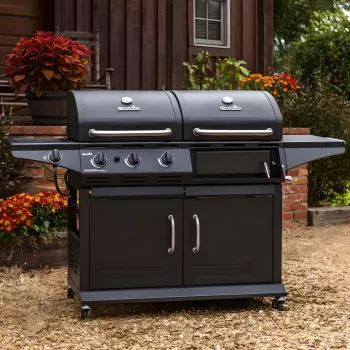
If the goal is outdoor cooking with easy repositioning, the Mobile Barbecue Grill is designed around mobility for patios, yards, and event-style setups. It’s a practical fit for shoppers who want a movable grill station rather than committing to a fixed cooking corner.
FAQ
How is a mobile grill different from a portable grill?
“Mobile” usually implies easy rolling movement on wheels for patio-to-yard relocation, while “portable” emphasizes lift-and-carry convenience and compact packability. There’s overlap, so the best pick depends on whether you’ll mostly roll it short distances or load it into a vehicle often.
What is the safest surface to place a grill on at a tailgate or campsite?
Choose a level, non-combustible surface like pavement or compacted dirt/gravel, and keep the grill away from vehicles, tents, and dry vegetation. Factor in wind direction so heat and sparks aren’t pushed toward people or flammable materials, and always follow local rules.
How long should a grill cool before moving or storing it?
A common guideline is at least 30–60+ minutes depending on fuel type, ambient temperature, and construction, but confirm by ensuring exterior surfaces are touch-safe and the fire is fully out. Before moving, secure ash and grease containers to prevent spills during transport.













Leave a comment