Zero-Waste Packing Checklist for Sustainable Travel
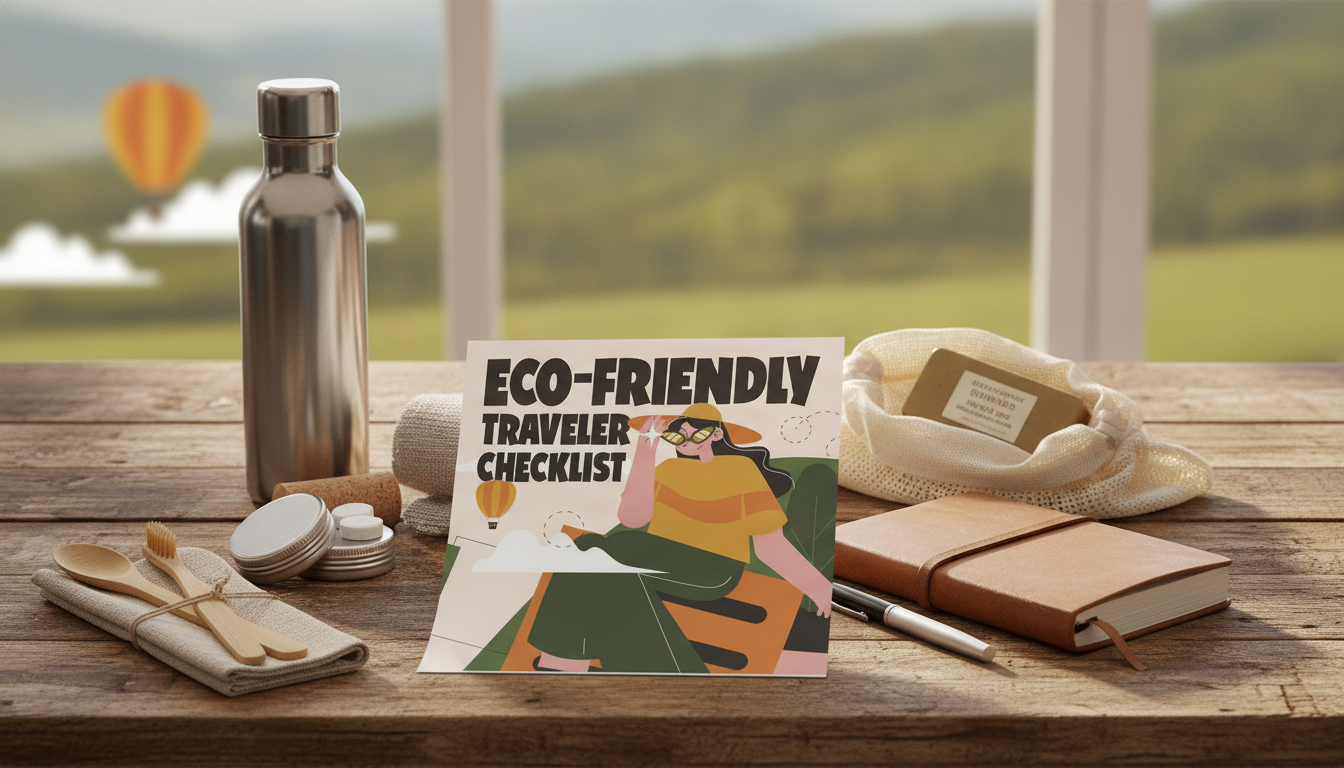
A simple checklist can turn sustainable travel from a vague goal into practical, repeatable habits. This guide pairs a zero-waste packing list with on-the-go tips—focused on reducing single-use items, keeping luggage light, and choosing lower-impact options without sacrificing comfort.
Start With a Low-Waste Travel Game Plan
The easiest waste to avoid is the waste that never gets created. A quick plan—made before you zip your bag—helps you travel lighter and buy less on the road.
- Pick the lowest-impact route available: when flying is necessary, choose nonstop over connecting when you can; on the ground, lean on trains, buses, and local transit.
- Set a “reusables first” rule: anything you use daily at home (water bottle, utensils, bags) earns a spot in your bag before you consider travel minis or disposable backups.
- Choose lodging that supports conservation: look for towel/linen reuse, recycling/composting options, water refill stations, and efficient heating/cooling practices.
- Plan for waste streams: know where you can refill water, what recycling is available, and how you’ll handle food scraps or packaging while moving between stops.
For background on responsible tourism and practical resource-efficiency approaches, see the UN Environment Programme’s sustainable tourism overview.
Zero-Waste Packing List Essentials (Carry-On Friendly)
A good zero-waste packing list isn’t about packing more—it’s about packing smarter. The goal: a compact “reusable core” that replaces a long trail of single-use purchases.
- Hydration and drinks: reusable water bottle; optional collapsible bottle for day trips; insulated cup or thermos for hot drinks.
- Food kit: reusable cutlery, a small container, cloth napkin, and a silicone bag or lightweight lunch pouch to avoid disposable packaging.
- Bags: a packable tote for shopping, a produce bag or two, and a small zip pouch to keep reusables clean and easy to grab.
- Bathroom swaps: solid shampoo/conditioner or refillable bottles, bar soap in a case, bamboo toothbrush or travel toothbrush with replaceable head, floss in a refillable format, safety razor or refillable razor.
- Laundry and repairs: stain stick or soap sheet, a small laundry line or clips, mini sewing kit or patches, and a compact multi-use balm.
Pack Once, Use Many Times: Reusable Swaps That Matter
| Category | Reusable to Pack | Replaces | Quick Tip |
|---|---|---|---|
| Water | Refillable bottle | Single-use plastic bottles | Refill after security; ask cafés to fill it |
| Coffee/tea | Insulated cup | Disposable cups/lids | Keep it accessible for takeout stops |
| Meals/snacks | Container + cutlery | Plastic clamshells, forks | Use for leftovers and market snacks |
| Shopping | Packable tote + produce bags | Plastic bags | Store near the top of the bag |
| Toiletries | Solid bars or refillables | Travel minis | Let bars dry before packing |
Toiletries That Travel Well (Without Leaks or Trash)
Toiletries are where a lot of “just this once” plastic shows up. A few systems—solids, refillables, and leak prevention—keep your kit tidy and low-waste.
- Favor solids where possible: shampoo bar, conditioner bar, soap bar, and lotion bar minimize plastic and simplify TSA liquid limits.
- Use refillables for essentials that must be liquid: sunscreen, face wash, and toothpaste tabs or a refillable tube alternative where available.
- Prevent leaks with simple systems: reusable silicone travel bottles, a zip pouch, and keeping liquids upright in transit.
- Choose reef-safer sun protection where appropriate: and follow local guidance in sensitive marine areas.
- Bring a small “do-not-buy” backup: a few laundry sheets, a mini first-aid set, and a spare mask or bandana to avoid emergency convenience purchases.
For everyday waste reduction principles that translate well to travel, the U.S. EPA’s Reduce, Reuse, Recycle resources are a useful refresher.
Clothes and Footwear: Capsule Packing for Fewer Loads
Overpacking is a fast track to heavy luggage, extra laundry, and impulse purchases. A capsule approach keeps outfits flexible while cutting down on water, energy, and hassle.
On-the-Go Habits That Cut Waste Fast
If you’re comparing flight options, tools and guidance on aviation emissions can help inform decisions; the International Air Transport Association (IATA) CO2 calculator explains the basics and provides estimation context.
A Simple Checklist System for Any Trip Length
Downloadable Checklist Option
If you want something you can reuse again and again, the Eco-Friendly Traveler Checklist digital download is designed for quick packing and easy restocking.
Optional gear for low-impact outdoor stays
For road trips, picnics, or longer outdoor days, having a durable shelter can reduce the temptation to buy cheap, disposable “just-in-case” items on the fly. If that fits your travel style, consider the Living Room Outdoor Family Shelter Tent for reusable coverage on repeat outings.
FAQ
What are the most important items for a zero-waste packing list?
Start with the highest-impact reusables: a refillable water bottle, packable tote and produce bags, a small container, cutlery, a cloth napkin, and solid or refillable toiletries. Consistency beats perfection—bringing the basics every trip prevents the most common disposable purchases.
How can toiletries be packed sustainably without leaks?
Use solids whenever possible, and choose refillable, leak-resistant bottles for anything liquid. Keep liquids sealed in a dedicated pouch, let bars dry before packing, and skip last-minute travel minis that add both waste and clutter.
Is sustainable travel more expensive?
It can be cheaper over time because reusables replace repeated purchases of water bottles, takeout utensils, and travel-size toiletries. Budget-friendly wins include using public transit, refilling water, and packing a capsule wardrobe that you can re-wear and wash easily.














Leave a comment