Long-Range FPV Quadcopter with Bluetooth: Pre-Flight Guide
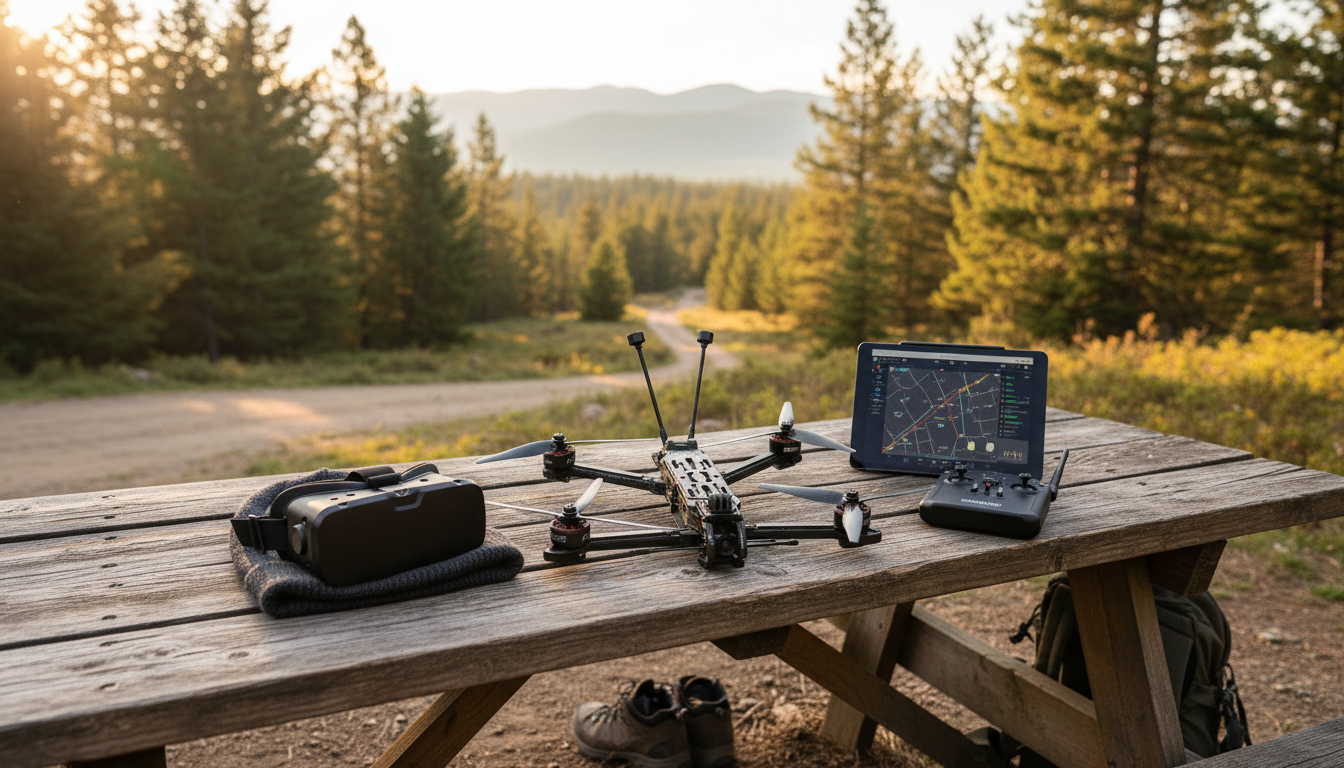
Advanced Long-Range FPV Quadcopter with Bluetooth: What to Expect Before You Fly
A long-range FPV quadcopter is built for fast, responsive flight with an immersive first-person view that shines in wide-open outdoor spaces. Add Bluetooth connectivity, and the ownership experience can feel smoother—especially for pairing, configuration, and quick adjustments from a compatible phone or tablet. Below is a practical guide to what “advanced” long-range FPV really means, how Bluetooth can fit into the workflow, and the checks that help protect your gear (and your flight time) before the first takeoff.
What “advanced” means for a long-range FPV quadcopter
“Advanced” isn’t just about speed. For long-range FPV, it’s the combination of stable links, efficient power delivery, and a build that stays composed when the environment gets unpredictable.
Longer-distance control and video link stability
Long-range performance depends on link quality in real conditions: antenna placement, line of sight, interference, and how well the aircraft maintains a clean RF environment. A capable long-range setup is designed to keep control and video usable when you’re flying farther out in open terrain.
Flight controller and handling confidence
Advanced flight controllers and well-tuned software can translate to smoother stick feel, better filtering, and more predictable recovery from gusts. In practice, that means fewer surprises when wind shifts or when you’re cruising at a steady throttle for distance.
Power system efficiency (not just peak power)
Range is often won through efficiency: balanced thrust, appropriate battery capacity, and weight discipline. A system that sips power while cruising typically goes farther than a setup that’s optimized only for punch-outs.
Durability and vibration control
Long-range flights can expose weaknesses quickly—loose hardware, frame resonance, and vibrations that degrade FPV video. Advanced builds focus on rigidity where it matters and damping where it helps, keeping footage clearer and reducing the chance of hardware fatigue over time.
Bluetooth features that can improve the flying experience
Bluetooth on an FPV quadcopter is usually about convenience—reducing the friction of setup and quick changes—rather than replacing the primary control link. Specific capabilities vary by ecosystem, so it’s worth confirming exactly what your model supports.
- Fast pairing: Quicker device recognition for configuration, telemetry viewing, or app-based features (when supported).
- Less cable juggling: Easier access to settings without repeatedly plugging into a computer, depending on the hardware and app.
- Streamlined updates and tuning: In some setups, a phone or tablet can handle firmware checks or parameter changes more conveniently.
- Security habits: Keep Bluetooth access secured and verify which functions are local-only versus requiring internet connectivity.
Where Bluetooth can fit in an FPV workflow
| Use case | Benefit | Quick check before takeoff |
|---|---|---|
| Initial pairing | Faster setup and device recognition | Confirm device permissions and stable connection |
| Settings/tuning (if supported) | Adjust rates, modes, or preferences more conveniently | Save a known-good profile before changes |
| Telemetry viewing (if supported) | At-a-glance battery and link info | Verify telemetry source and update frequency |
| Device integration | Simplify control handoff between devices | Confirm failsafe behavior is unchanged |
Range, video link, and real-world performance factors
Long-range FPV is a system—not a single spec. Real-world performance depends on how each piece behaves outside, where obstacles and interference are unpredictable.
Safety and compliance essentials before flying
- Follow local operating rules: Requirements can differ based on recreational vs. commercial use and airspace. Start with the FAA’s drone resources: https://www.faa.gov/uas.
- Use a pre-flight checklist: Props, motor screws, battery straps, antenna placement, and verified failsafe behavior are non-negotiable for long-range.
- Set a return/landing plan before arming: Define minimum battery voltage, maximum distance, and a landing zone that stays clear even if wind increases.
- Confirm equipment authorization where relevant: For radio equipment and compliance context, see the FCC equipment authorization overview: https://www.fcc.gov/engineering-technology/laboratory-division/general/equipment-authorization.
- Use community safety standards: The Academy of Model Aeronautics safety guidance is a helpful benchmark: https://www.modelaircraft.org/safety.
Setup checklist: getting Bluetooth and FPV ready
Who this kind of quadcopter suits
Product spotlight: Advanced Long-Range FPV Quadcopter with Bluetooth
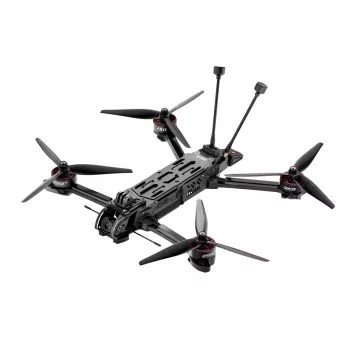
If the goal is a premium long-range FPV experience with the added convenience of Bluetooth connectivity for compatible pairing and setup workflows, the Advanced Long-Range FPV Quadcopter with Bluetooth is a strong fit. It’s geared toward pilots who want capability, immersion, and easier configuration in one package.
At-a-glance details
| Item | Details |
|---|---|
| Product | Advanced Long-Range FPV Quadcopter with Bluetooth |
| Price | 1268.49 USD |
| Availability | In stock |
| Product page | View product |
Helpful add-ons for comfortable outdoor sessions
- Living Room Outdoor Family Shelter Tent for shade and weather coverage during longer field sessions.
- Nordic Rattan Leisure Single Sofa Chair for a more relaxed ground station setup when you’re monitoring gear between flights.
FAQ
Does Bluetooth work while the quadcopter is flying?
Bluetooth is most commonly used for setup, configuration, or auxiliary features, and whether it works in-flight depends on the specific model and app support. Confirm which functions are intended for flight use and make sure Bluetooth activity does not alter failsafe behavior or primary control link performance.
How far can a long-range FPV quadcopter fly?
Usable range varies widely based on control/video link equipment, antenna placement, interference, terrain, line of sight, battery efficiency, and local regulations. Build distance gradually with conservative margins, and treat early flights as range-testing rather than full send-offs.
What should be checked before the first long-range flight?
Do a thorough pre-flight inspection: prop and motor screw security, battery health and straps, antenna placement/orientation, confirmed failsafe settings, and a verified video link. Set a clear return/landing plan with minimum voltage limits and test close-in before extending range.













Leave a comment