Pet Travel Packing Checklist: Safe Road Trips for Dogs & Cats
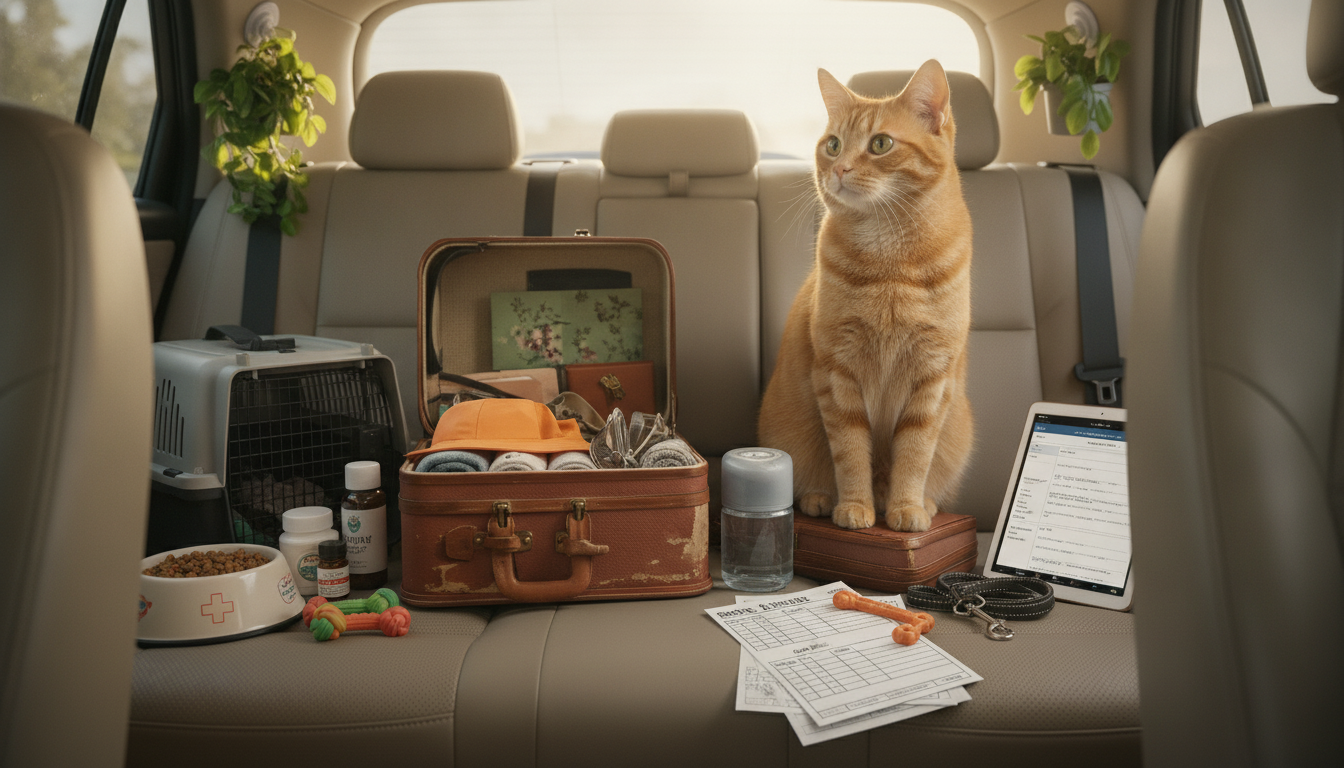
Pet Travel Essentials Checklist for Safe Trips (Dogs & Cats)
A smooth trip with a dog or cat comes down to preparation: the right documents, safety gear, comfort items, and a plan for meals, breaks, and emergencies. The goal is simple—reduce surprises so your pet stays calm, secure, and well-cared for from driveway to destination. Use the sections below like a printable packing checklist: scan once a week out, again the night before, and one last time right before you pull away. For more guidance, see Travel Safety Tips | ASPCA.
Before Leaving: Health, Identification, and Paperwork
Start with the non-negotiables: health, ID, and documentation. If your trip is long, involves peak heat, flying, boarding/daycare, or your pet has known medical issues, schedule a vet check and confirm vaccines and parasite prevention are current. Many lodgings and services may ask for proof of rabies vaccination and other health documentation, so keep copies together in an easy-to-grab folder. For further reading, see Pet Travel Safety – CDC.
Update identification before you pack anything else: collar tag with a mobile number, microchip registration details, and a recent photo from multiple angles. Add a short medical summary—medications, allergies, chronic conditions, your primary vet’s number, and the contact info for an emergency clinic near your destination. If you plan to use anxiety aids or motion-sickness medication, trial them at home first; travel day is not the time for first-time dosing.
Quick Pre-Trip Timeline
| When | What to do | Notes |
|---|---|---|
| 7–14 days before | Vet visit (if needed), refill prescriptions, update ID tags | Ask about motion sickness and car-anxiety support |
| 3–5 days before | Confirm lodging pet rules, locate emergency vet near destination | Save addresses offline in case of no service |
| 1–2 days before | Wash bedding, prep travel meals, charge trackers/LEDs | Freeze a water bowl insert or bring extra water |
| Day of travel | Exercise and potty break, secure carrier/harness, pack last-minute meds | Feed a lighter meal if prone to nausea |
Safe Transport Setup for Cars and Road Trips
In a moving vehicle, restraint is safety. Use a crash-tested carrier or secured crate whenever possible. For larger dogs who ride outside a crate, choose a crash-tested harness connected to a seat-belt system—no free-roaming in the cabin. Avoid front-seat placement due to airbag risk; carriers should ride in the back seat or properly anchored cargo area.
Temperature control matters as much as restraint. Maintain ventilation, use sun shades when needed, and never leave pets in a parked car—even with windows cracked. Plan breaks every 2–3 hours for water and potty. For cats, keep the carrier closed during stops to prevent bolt-and-hide escapes; offer hydration in a controlled setting once doors are closed and you’re ready to manage safely.
Packing List: Food, Water, and Feeding Routine
Sudden diet changes can derail a trip fast. Pack enough of your pet’s usual food for the entire trip plus two extra days. Pre-measure portions into labeled bags or containers, and bring a scoop and collapsible bowls so feeding stays consistent even when your schedule changes.
Water is an often-missed trigger for stomach upset. If your pet is sensitive, bring bottled or filtered water, plus a travel water dispenser for quick sips between stops. Treats can help reinforce calm behaviors during loading, unloading, and hotel transitions. For dogs, stick to long-lasting chews your dog already tolerates well. For cats, a small amount of familiar wet food can support hydration—keep the timing close to your at-home schedule when possible.
Comfort and Stress-Reducing Essentials
Hygiene and Cleanup Kit for Messes (and Peace of Mind)
Emergency Kit: What to Carry and When to Use It
Include a reflective leash, spare leash, LED clip, and a backup collar or harness in case of breakage. Know the red flags that require veterinary care: repeated vomiting, collapse, breathing difficulty, suspected heatstroke, or possible toxin ingestion. Keep poison control numbers accessible, and confirm which human medications are unsafe for pets before packing anything “just in case.” Helpful references include the AVMA’s pet travel guidance and the CDC’s traveling with pets information.
Destination Checklist: Hotels, Rentals, Camping, and Visits
Printable Planner: How to Use a Checklist Without Overpacking
If you want a ready-to-print format that mirrors this structure, use the Printable Pet Travel Essentials Checklist and Planner to keep everything in one place. For camping-style trips where shade and a defined “hangout zone” can help pets settle, consider adding a staging area like the Living Room Outdoor Family Shelter Tent to your destination setup (always supervised and never as a substitute for secure containment).
FAQ
How often should a pet take breaks on a road trip?
Plan to stop about every 2–3 hours for dogs for water, a potty break, and a short walk. For cats, keep stops calm and controlled—leave the cat secured in a closed carrier and offer water (and a travel litter option) only when you can prevent escapes.
Is it safer for a dog to ride in a crate or with a seat-belt harness?
Both can be safe when they’re crash-tested and properly secured. A correctly sized, anchored crate/carrier or a crash-tested harness connected to a seat-belt system is far safer than free-roaming, and a collar-only tether should be avoided.
What should be in a pet travel emergency kit?
Bring basic first-aid supplies, daily medications plus backup doses with a printed schedule, a spare leash/collar or harness, and reflective/LED gear. Include vet contacts and the nearest emergency clinic address, and seek urgent care for signs like heatstroke, breathing trouble, repeated vomiting, collapse, or suspected toxin ingestion.















Leave a comment