Are Tunnel Tents Good? Pros, Cons, and Best Uses
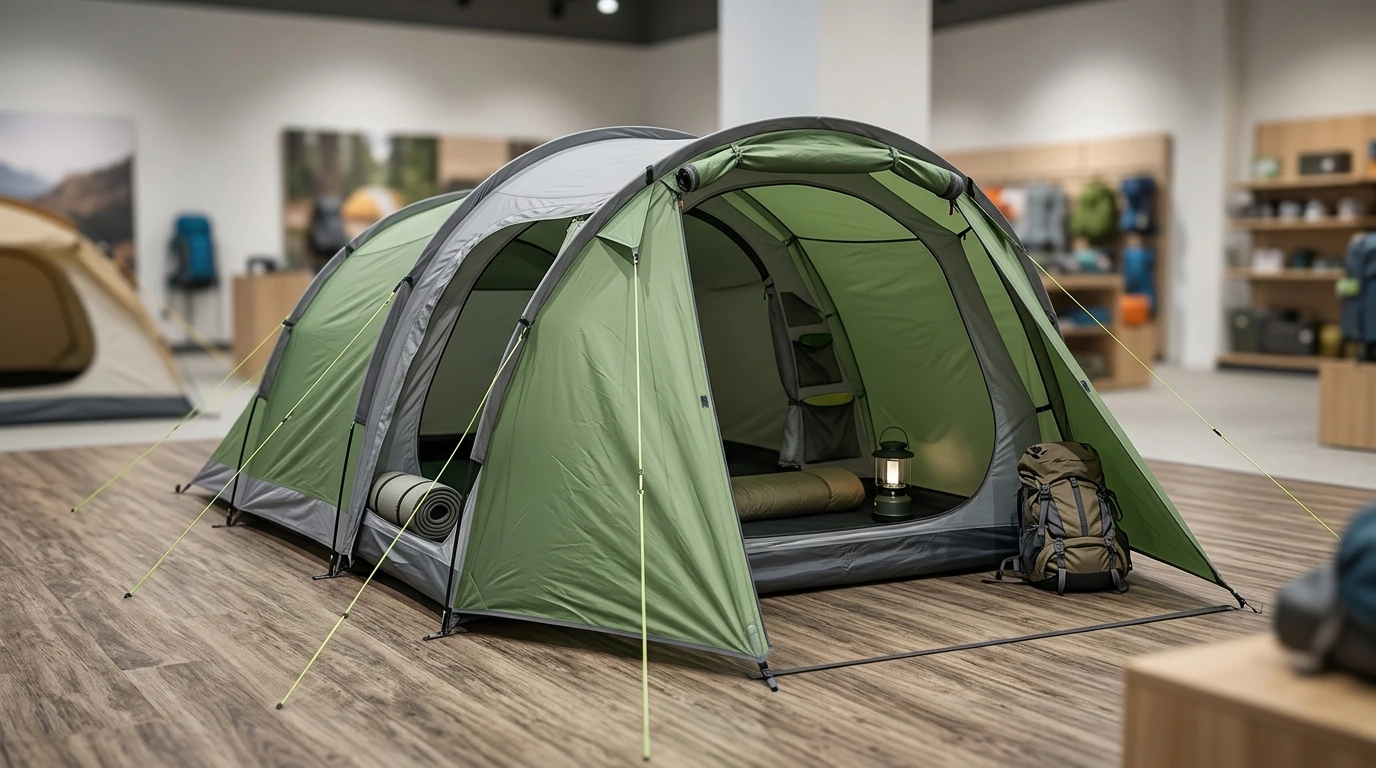
Are tunnel tents good?
Yes—tunnel tents are a strong choice for many campers because they’re efficient with space, stable in steady winds, and often quicker to set up than more complex multi-pole designs. Their arched pole structure creates tall sidewalls and a roomy interior, so a 3–4 person tunnel tent can feel closer to a small base-camp shelter than a cramped sleeping pod.
They tend to shine in longer stays where comfort matters: generous vestibules for packs and boots, better headroom for changing clothes, and a layout that separates sleeping space from gear storage. Many models also pack down surprisingly compact for the amount of livable room they provide.
When tunnel tents are a great fit
Tunnel tents are especially good for car camping, family trips, and base-camp style weekends where you want a stable “home” at the site. In moderate, consistent wind, their aerodynamic profile can handle gusts well when properly guyed out. They’re also a smart option when rain is in the forecast because extended vestibules help keep wet gear outside the sleeping area.
Potential downsides to know
Tunnel tents usually need staking to hold their shape, so they’re less ideal on platforms, rocky ground, or places where you can’t drive stakes securely. They can also be direction-sensitive in wind: performance improves when the tent is pitched with the narrow end facing into the wind and all guylines tensioned.
Another trade-off is that some tunnel designs prioritize interior volume over freestanding convenience. If you regularly camp on hard surfaces or move camp often, a freestanding dome might feel simpler.
How to choose a good tunnel tent
Look for strong pole materials, multiple guylines, and a rainfly that reaches low for better weather protection. Vent placement matters, too—roof and low vents reduce condensation on cool nights. For a deeper breakdown of sizing, vestibule space, and comfort features, visit the full guide here: 3–4 Person Outdoor Tunnel Tent Base Camp Comfort Guide.
FAQ
What is the downside of tunnel tents?
Most tunnel tents rely on stakes and guylines to stay upright, so they’re less convenient on hard or stake-resistant ground. They also need to be oriented correctly into the wind for best stability.










Leave a comment