Kindergarten Ready Without Tears: Checklist + Daily Routine
Kindergarten Ready Without the Tears: An Easy Checklist and Simple Routine Plan
Kindergarten readiness is less about drilling academics and more about helping a child feel safe, capable, and comfortable with everyday school routines. A clear checklist makes it easier to practice the right skills—little by little—without turning the weeks before school into a stressful countdown. For more guidance, see The Ultimate Kindergarten Readiness Checklist.
What “ready for kindergarten” usually means
Most kindergarten teachers look for “school-life” skills more than early reading or perfect handwriting. A child who can participate in routines, communicate needs, and recover from small upsets is often set up for a smoother start. For further reading, see Kindergarten Readiness Checklist.
- Comfort with separation and trusting other adults for short periods
- Following 1–2 step directions and handling simple transitions (clean up, line up, sit down)
- Basic self-care skills: bathroom routines, handwashing, opening lunch items with minimal help
- Social skills: taking turns, using words to solve small conflicts, asking for help
- Stamina: sitting for short group activities and finishing a small task
- Curiosity and willingness to try—more important than being “ahead” academically
For a helpful perspective on what’s typical at this age, see the American Academy of Pediatrics guidance on school readiness.
A calm timeline: 4 weeks of small, doable practice
Instead of cramming, aim for consistency. The goal is to make routines feel familiar before the first bell rings.
- Week 4: Build a predictable morning and bedtime rhythm; practice leaving a caregiver briefly with a clear goodbye routine
- Week 3: Add “school-day skills” in real moments (putting on shoes, hanging up a backpack, packing a snack)
- Week 2: Do short practice runs—walk/drive the route, visit the playground near the school, practice lining up and waiting
- Week 1: Keep life simple; reduce late nights, keep screens earlier in the day, and focus on confidence-building wins
- If school offers orientation, practice the exact steps: entering the building, finding a cubby, washing hands, and rejoining the group
If your child struggles with transitions, it can help to pair practice with positive parenting strategies like choices and praise. The CDC positive parenting tips for preschoolers offers practical, age-appropriate ideas.
Routine that reduces tears: mornings, drop-off, and after-school
Morning routine (same order, every day)
A predictable sequence reduces negotiation and decision fatigue. Keep it simple and repeatable:
- Wake
- Bathroom
- Get dressed
- Breakfast
- Brush teeth
- Shoes/backpack
- Out the door
Visual cues help many kids stay on track with fewer reminders. A basic picture sequence on the fridge can prevent power struggles while keeping you out of “nag mode.”
Drop-off script (short, consistent, confident)
Long goodbyes often make separation harder. Use one quick ritual that stays the same:
- Hug
- One sentence (“I love you. I’ll pick you up after school.”)
- Handoff to the teacher
- Leave
If comfort items are allowed, choose something small that fits in a pocket. If they’re not allowed, use a “kiss on the hand,” a secret handshake, or a quick phrase your child can repeat.
After-school decompression
Many kids hold it together all day, then melt down at pickup. Try: snack + quiet play first, then questions later when your child’s nervous system has settled.
Evening setup
Set clothes and lunch items out the night before. The fewer morning decisions, the calmer the tone at drop-off.
Self-care and independence skills to practice at home
Quick readiness checklist (practice a few minutes a day)
| Skill area | What to look for | Easy practice idea |
|---|---|---|
| Separation | Can say goodbye and join an activity within a few minutes | Practice a brief caregiver handoff at a class, playdate, or sitter |
| Directions | Follows 2 steps most of the time | “Put your cup in the sink, then pick a book” |
| Transitions | Moves from play to cleanup with reminders | Use a 5-minute warning and a simple timer |
| Bathroom | Uses the toilet and washes hands with minimal help | Role-play asking to go; practice handwashing steps |
| Lunch | Opens common items and puts trash away | Pack “practice lunch” once a week and time the opening |
| Social | Takes turns and uses words when upset | Practice scripts: “Can I have a turn?” “Please stop” |
| Emotions | Can name feelings and use a calming tool | Teach 3 calm-down options: breathe, squeeze hands, ask for help |
Social and emotional readiness: scripts that actually help
For more on building these skills, the NAEYC social-emotional development resources can be a useful reference.
A simple planner approach for busy families
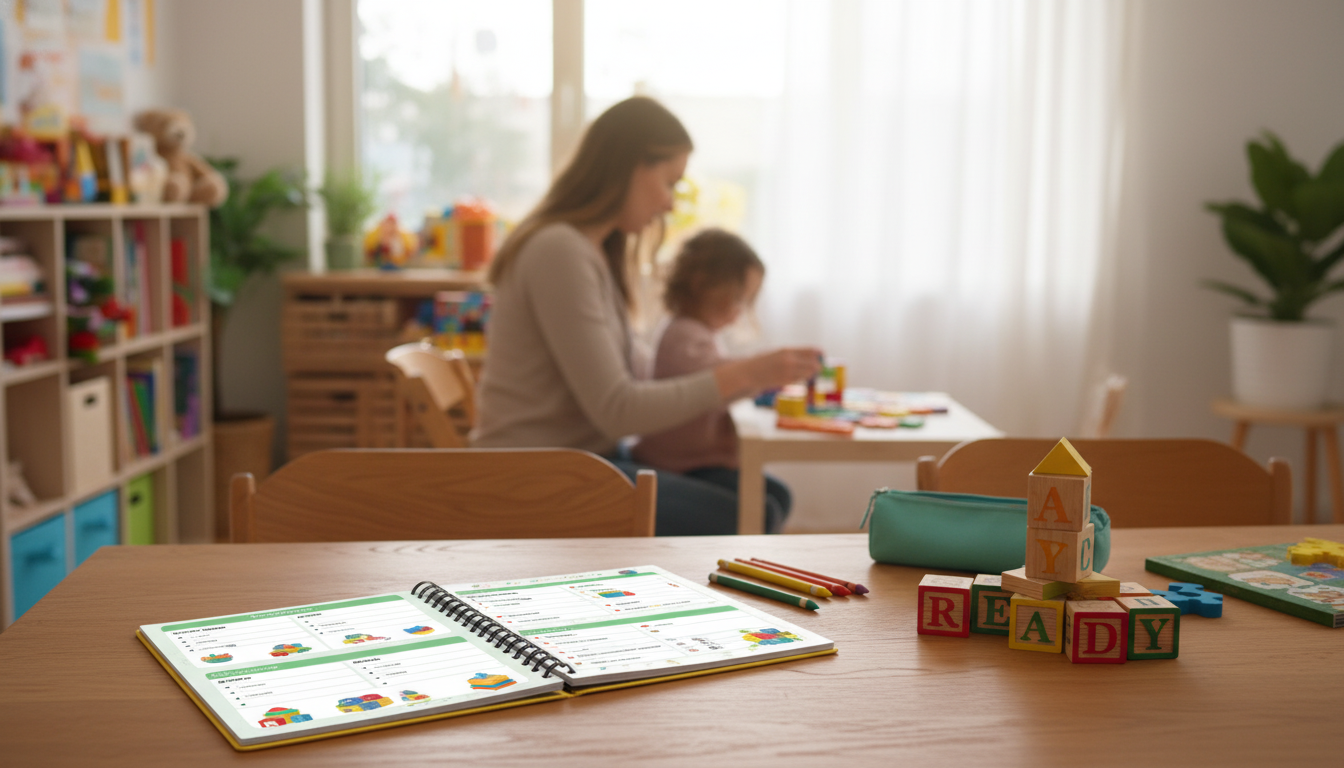
A ready-to-use checklist and routine planner
- Kindergarten Ready Without the Tears – Easy Checklist Guide for Parents | how to prepare child for kindergarten Routine & Skills Planner (a printable-style routine and skills planner to guide weekly goals)
- Nordic Rattan Leisure Single Sofa Chair – Solid Wood, Modern Fabric Design (a cozy spot for calm morning books, “check-in chats,” or after-school decompression)
- Living Room Outdoor Family Shelter Tent (an easy way to create a quiet “reset space” for pretend-school play, waiting practice, or calm-down breaks)
FAQ
What skills matter most before kindergarten starts?
Focus on routines (morning/drop-off), basic self-care (bathroom, handwashing, lunch), following simple directions, and asking for help; academic skills are a bonus, not the foundation.
How can a parent reduce crying at drop-off?
Use a consistent short goodbye, practice separation in small steps beforehand, keep a predictable morning routine, and avoid extending the farewell; reassure once and hand off calmly.
How long does it take most children to adjust to kindergarten?
Many children settle in within 2–6 weeks, with ups and downs; consistent routines and teacher partnership help, and longer adjustment can be normal for sensitive or anxious kids.















Leave a comment