Printable Couples Conflict Workbook for Calmer Talks
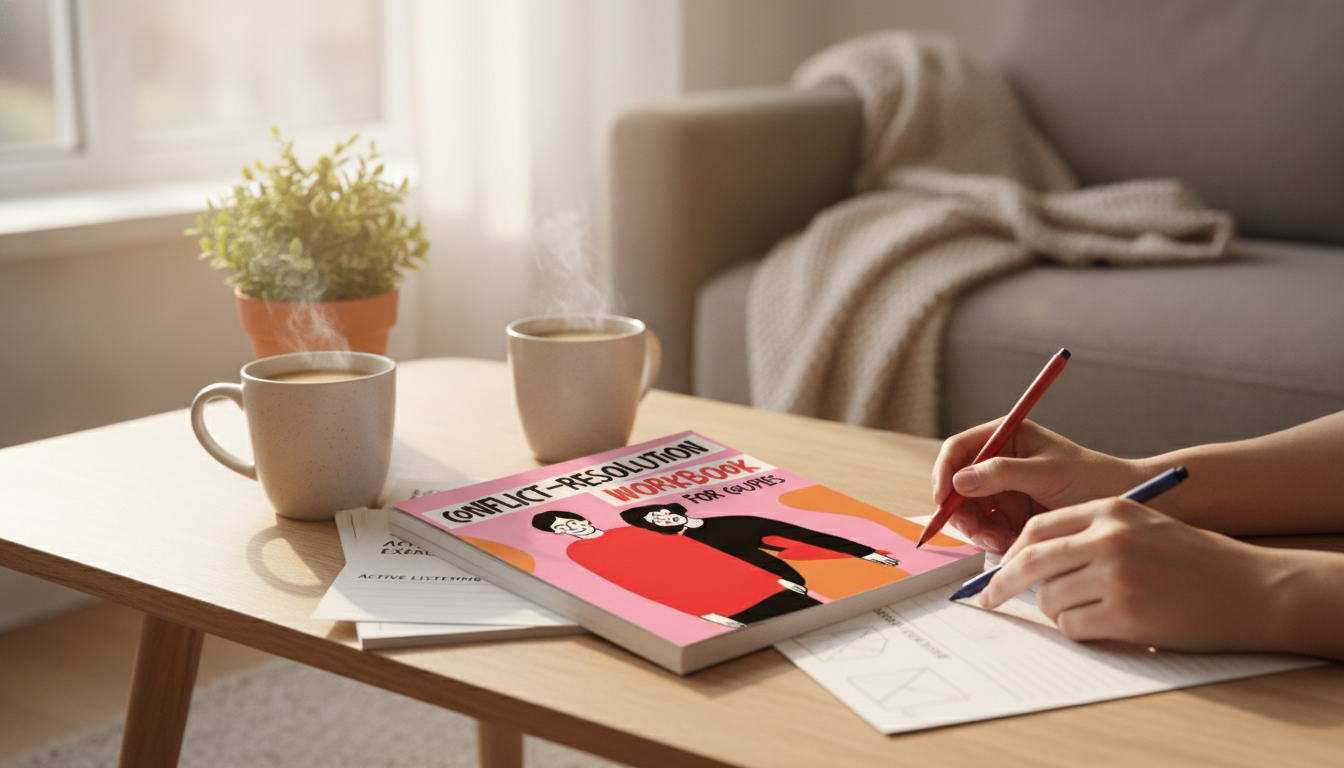
Conflict-Resolution Workbook for Couples: A Practical, Printable System for Calmer Conversations
Recurring arguments often follow predictable patterns—misheard intentions, escalating tone, and unresolved needs. A structured workbook approach can slow the moment down, improve listening, and turn conflict into a repeatable repair process that helps partners feel understood and rebuild trust over time. Instead of trying to “win” a conversation, the goal becomes building a shared method for getting back to connection—especially when emotions run high.
Why the Same Arguments Keep Repeating
Many couples don’t fight about “the dishes” or “being late.” They fight about what those moments mean—respect, reliability, care, or feeling like a priority. Without a clear process, the conversation speeds up and the real need stays hidden.
- Escalation loops: one partner feels criticized, the other feels ignored, and the conversation accelerates.
- Mind-reading and assumptions: interpretations replace clear requests and shared definitions of the problem.
- Timing issues: big topics get forced into late-night, hungry, distracted moments.
- Missed repair attempts: apologies, humor, or reassurance don’t land because emotions are already high.
Research-informed relationship education often points to predictable patterns that worsen conflict (like criticism, defensiveness, contempt, and shutting down). The Gottman Institute offers a helpful overview of these patterns and practical “antidotes” to each: Gottman Institute — The Four Horsemen.
What a Conflict-Resolution Workbook Adds That “Just Talking” Misses
Talking matters, but structure changes the outcome. A workbook doesn’t replace intimacy—it protects it by keeping you aligned on the rules of engagement when you’re least likely to remember them.
- Shared structure: reduces defensiveness and keeps both partners on the same page.
- Clear prompts: separate facts, feelings, needs, and requests so the real issue becomes easier to name.
- Built-in pauses: prevents interruption and helps each partner summarize before responding.
- Written agreements: creates follow-through so conflicts don’t return as “you never fixed this.”
For additional relationship conflict guidance, the American Psychological Association — Managing conflict in relationships highlights strategies like respectful communication and problem-solving skills, which pair naturally with a workbook-based routine.
How to Use a Printable Workbook During a Real Disagreement
The most effective use isn’t filling out every page at once—it’s using a repeatable sequence that turns a heated moment into a calmer conversation.
- Start with a short reset: step away for 10–30 minutes if voices rise or either partner feels overwhelmed. Use that time to breathe, drink water, and settle your body before returning to talk.
- Agree on one topic only: define the single issue to discuss and postpone side topics. If needed, write a “parking lot” list so nothing feels dismissed.
- Use turn-taking: one partner speaks, the other reflects back what was heard before replying. The goal is accuracy, not rebuttal.
- Write down the need under the complaint: common needs include security, respect, rest, autonomy, and closeness. Needs are often the real “why” behind the fight.
- End with two small next steps: one action each and a check-in time (same day or within 48 hours). Keep commitments realistic enough to succeed.
If stress is a big driver of snapping, irritability, or shutdown, building basic coping tools can make the workbook work even better. The National Institute of Mental Health — Coping with stress offers practical methods that support calmer problem-solving.
Communication Skills That Reduce Friction Fast
Workbooks are most powerful when paired with a few specific skills—simple enough to use mid-conflict, strong enough to change the tone quickly.
Rebuilding Trust After Arguments: A Simple Repair Cycle
Printable vs. Digital: Choosing the Right Format for Your Relationship
| Option | Best for | Watch-outs | Simple tip |
|---|---|---|---|
| Printable worksheets | Staying present during emotional talks | Misplacing pages or skipping steps | Keep a dedicated folder and a pen in one spot |
| Digital eBook (reprintable) | Flexible use and easy reprints | Turning it into “homework” instead of connection | Choose one exercise per week, not the whole set at once |
| Write separately, then discuss | Reducing interruptions and defensiveness | Avoiding the real-time conversation | Set a timer for the discussion portion (15–25 minutes) |
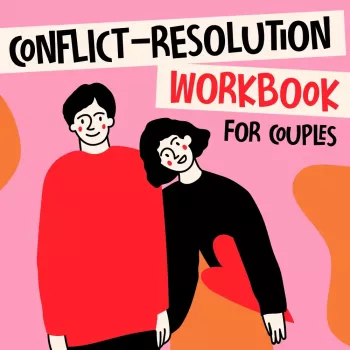
A Ready-to-Use Option: Conflict-Resolution Workbook for Couples (Printable eBook)
Conflict-Resolution Workbook for Couples (Printable Relationship Communication eBook)
Two supportive additions for a calmer “talk space”
- Nordic Rattan Leisure Single Sofa Chair – Solid Wood, Modern Fabric Design
- Elegant Art Deco-Inspired Crystal Branch Chandelier for Dining Room
FAQ
Can a couples conflict workbook help if arguments escalate quickly?
Yes—structure reduces escalation by building in time-outs, turn-taking, and reflection so neither partner has to improvise while flooded. Try this mini routine: (1) pause for 15 minutes, (2) each writes one sentence for “what happened” and one for “what I need,” (3) take two minutes each to reflect back before problem-solving. If conflicts remain intense or feel unsafe, getting support from a licensed couples therapist can add tools and stability.
How often should couples use a conflict-resolution workbook?
A light, consistent cadence tends to work best: a 20–30 minute weekly check-in plus as-needed use during real disagreements. Focus on one skill at a time (like soft start-up or reflections) and repeat it for a couple of weeks before adding more.
Will this work if only one partner wants to use it?
It can still help if you start with the self-reflection sections—your triggers, needs, and best “reset” strategies—then invite your partner to try one low-stakes exercise (like a 10-minute check-in). Avoid using the workbook as evidence during a fight; it works better as a shared tool for clarity and repair, not a scorecard.














Leave a comment