Compact Italian Espresso Maker: Big Flavor, Small Space
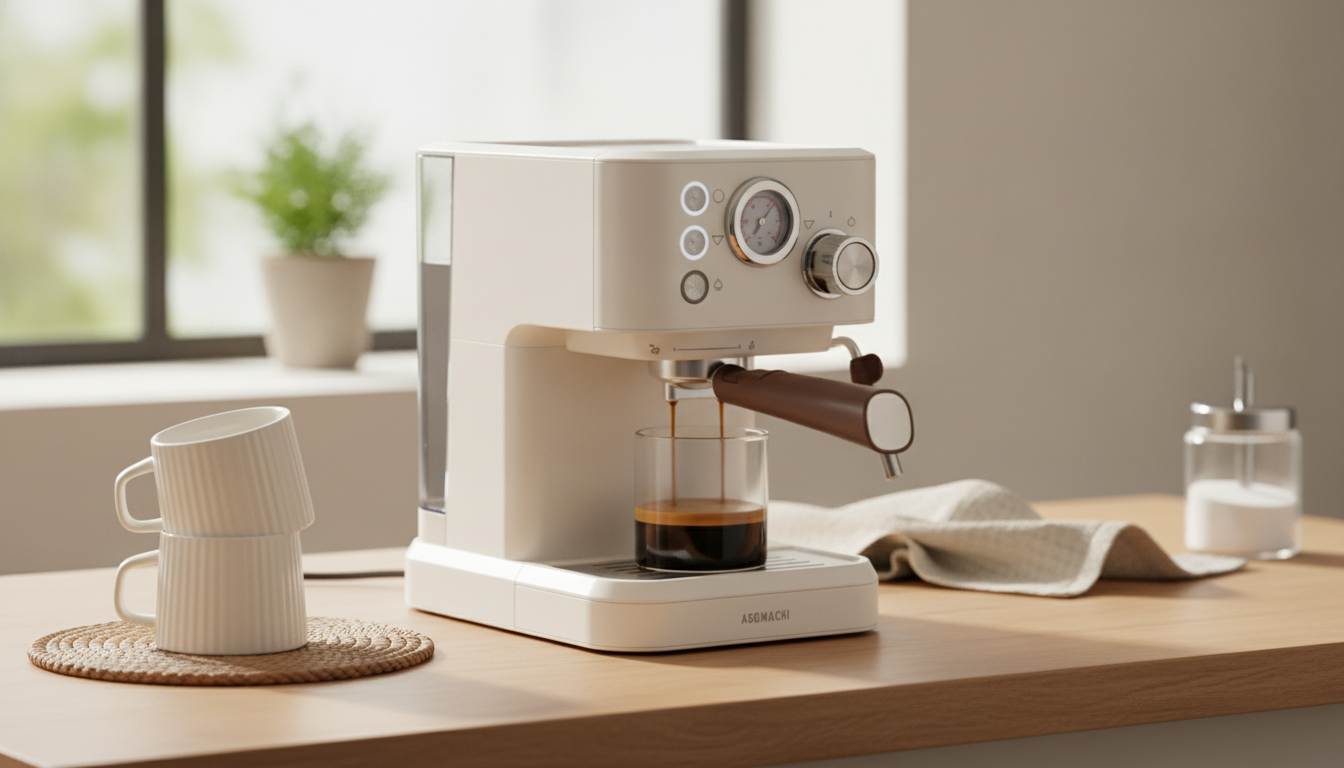
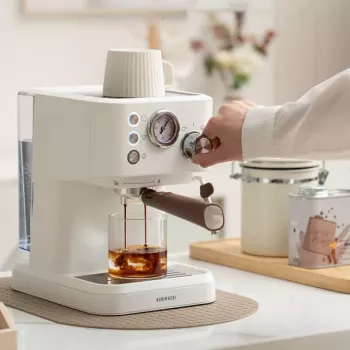
Compact Italian Espresso Coffee Maker for Small Kitchens and Big Flavor
A compact Italian espresso coffee maker brings bold, stovetop-style coffee to apartments, dorms, RVs, and minimalist counters without the footprint of a full espresso machine. The appeal is simple: fast heat-up, easy cleanup, and a rich, concentrated cup that works for straight shots, lattes, and iced drinks—using a design rooted in classic Italian coffee tradition.
If you want a space-smart brew ritual that still tastes like a treat, a Compact Italian Espresso Coffee Maker is an easy upgrade from drip coffee—without committing to a bulky countertop setup.
What “Italian-style espresso” means in a compact maker
Italian-style stovetop coffee makers brew strong, concentrated coffee by using steam pressure to push hot water through a metal filter basket. The result is dense and aromatic, with a punchier body than most drip brewers.
It’s helpful to set expectations: this style is typically closer to moka-style extraction than pump-driven café espresso. It won’t replicate the same 9-bar pressure profile you’d get from a commercial machine, but it’s ideal for espresso-inspired drinks at home and delivers a satisfying intensity for milk-based beverages and iced recipes. For background on what defines espresso, see Encyclopaedia Britannica — Espresso.
For small households, compact brewing is also practical: make only what you need, reduce waste, and keep your counter free for everyday tasks.
Why compact size matters for everyday brewing
When space is limited, convenience isn’t a luxury—it’s what keeps good habits going. Compact stovetop brewers fit neatly in small cupboards, shallow drawers, or a travel kit for road trips and cabin weekends.
They also heat quickly on most stovetops, and because there are fewer parts than many electric machines, they’re typically easier to store and faster to clean. Fewer buttons and fewer settings mean fewer steps between craving and cup.
A compact Italian maker is also a strong gift choice: it feels classic and intentional, yet it’s practical for anyone who doesn’t want a permanent appliance living on the counter.
How it works: parts and brewing cycle
Most compact Italian stovetop makers follow the same simple architecture:
- Lower chamber: holds water.
- Funnel-shaped basket: holds ground coffee.
- Upper chamber: collects brewed coffee.
As the base heats, pressure builds and pushes water up through the coffee bed and filter. You’ll see coffee begin to stream into the top chamber. The brew is typically finished when the upper chamber fills and the flow becomes lighter; sputtering can signal the final stage, when the remaining water is hotter and more likely to pull bitter notes.
The flavor is highly responsive to a few key variables: grind size, dose, starting water temperature, heat level, and timing. Small tweaks can shift the cup from chocolatey and smooth to sharp and over-extracted.
Brewing steps for a smooth, balanced cup
For a cup that’s bold without turning harsh, focus on steady heat and even flow.
For more general brewing guidance and technique standards, the Specialty Coffee Association — Brewing resources is a helpful reference point.
Quick comparison: compact Italian maker vs other home coffee options
| Method | Counter space | Cup style | Learning curve | Ongoing cost |
|---|---|---|---|---|
| Compact Italian stovetop maker | Low | Strong, concentrated | Low–Medium | Low |
| Pod espresso machine | Medium | Consistent, espresso-like | Low | Medium–High |
| Manual espresso (lever/compact) | Medium | Closest to café espresso | High | Low–Medium |
| Pour-over dripper | Low | Clean, lighter-bodied | Medium | Low |
| French press | Low | Full-bodied, sediment possible | Low | Low |
Care, cleaning, and longevity tips
Compact Italian Espresso Coffee Maker: product highlights and who it suits
To build a small-footprint “coffee corner,” pair the Compact Italian Espresso Coffee Maker with a hand grinder and a basic milk frother. For a comfortable spot to sip, a statement piece like the Nordic Rattan Leisure Single Sofa Chair – Solid Wood, Modern Fabric Design can turn a quiet corner into a daily ritual space. If your coffee setup shares space with a dining area, lighting such as the Elegant Art Deco-Inspired Crystal Branch Chandelier for Dining Room can elevate the mood for brunches, dessert courses, and after-dinner coffee.
Before choosing, compare the product details with your daily routine, available space, care needs, and preferred setup. The strongest option is usually the one that fits the intended use clearly and remains simple to clean, store, and check before repeat use.
FAQ
Is a compact Italian espresso coffee maker the same as café espresso?
No. Compact stovetop makers use steam pressure and typically brew moka-style concentrated coffee, while café espresso is usually made with pump-driven machines around 9 bars; the result is still rich and espresso-like, especially for milk drinks, but not identical.
What grind size should be used for the best flavor?
A medium-fine grind is the sweet spot for most compact Italian makers. Too fine can clog the basket and taste bitter, while too coarse can brew weak; make small adjustments while keeping your dose consistent.
How can bitterness be reduced when brewing on the stovetop?
Use lower heat, avoid tamping, and remove the maker from the burner when the flow turns pale rather than letting it sputter aggressively. Starting with hot (not boiling) water and keeping the brewer clean also helps prevent harsh flavors.











Leave a comment