Homework Help Made Easy: Routines That Build Independence
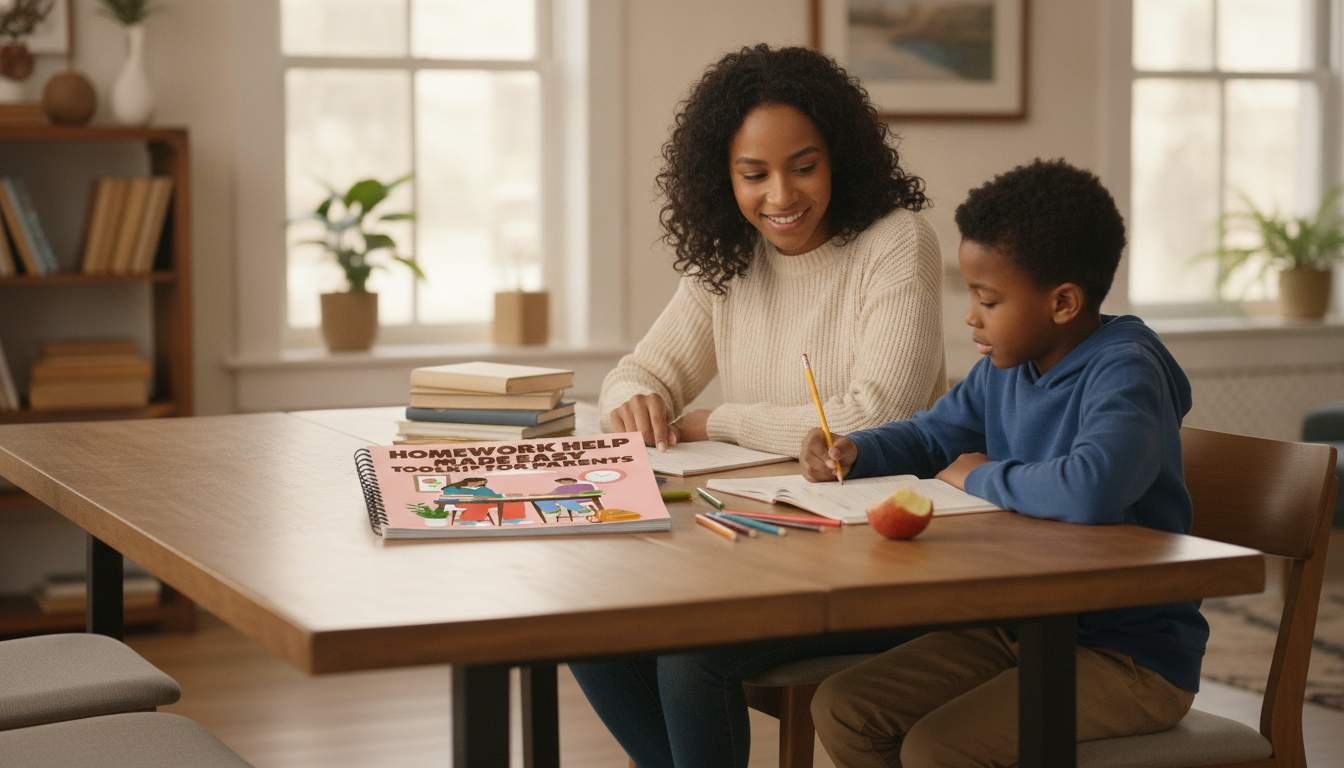
Homework Help Made Easy: A Parent’s Toolkit for Better Study Habits and Independent Learning
Homework time can feel like a daily power struggle—especially when routines are inconsistent, directions are unclear, or a child relies on constant prompting. A simple, repeatable system helps more than longer study sessions. The goal isn’t to hover; it’s to build a home setup that makes it easier for kids to start, stick with it, and finish with confidence.
Start With the Real Problem: Why Homework Gets Stuck
Before changing your whole evening, look for the pattern behind the struggle. Is your child forgetting assignments, avoiding the first step, rushing to be “done,” or melting down halfway through? The “problem” often isn’t homework itself—it’s what homework is demanding in that moment.
- Common blockers: unclear expectations, weak time sense, distractions, skill gaps, low confidence, or perfectionism.
- Separate “won’t” from “can’t”: skip assumptions and do a quick check—read the directions together once, then ask your child to explain the steps back to you.
- Define success for tonight: finished work, quality effort, or practicing a skill. Say it out loud so everyone is aiming at the same target.
If homework frequently feels out of proportion to your child’s age or attention span, it can help to compare your expectations to guidance from trusted sources like the American Academy of Pediatrics and tips from the American Psychological Association.
Set Up a Homework Routine That Runs Itself
Consistency is the real “secret.” Pick a homework window tied to an existing anchor: after snack, after dinner, or before screen time. When the start time is predictable, you’ll spend less energy negotiating.
- Create a start-up sequence: bathroom/water, materials out, check assignment list, set timer, begin.
- Use a work/break rhythm: most kids focus better with short sprints (15–25 minutes) and brief breaks (3–5 minutes), adjusted by age.
- Make “ready” visible: clear surface, minimal noise, supplies within reach, and one designated spot for finished work.
- End with a wrap-up: pack the backpack, place completed pages in the same location every day, and preview tomorrow’s needs.
Routine Builder: Quick Options by Age
| Age/Stage | Work Block | Break | Parent Role | Independence Goal |
|---|---|---|---|---|
| K–2 | 10–15 min | 3 min | Sit nearby at start; then step back | Follow a 3-step checklist |
| 3–5 | 15–25 min | 5 min | Check in between blocks | Start work without reminders |
| 6–8 | 25–35 min | 5–8 min | Review plan, not every answer | Track tasks and time independently |
| 9–12 | 35–45 min | 8–10 min | Coach on prioritizing and study strategy | Plan, execute, and self-check |
Teach Planning Skills: From “What Do I Do?” to “Here’s My Plan”
Many kids aren’t resisting homework—they’re overwhelmed by deciding where to begin. Planning turns a vague task into a sequence they can follow.
- Use one capture spot: a planner, a worksheet, or a printable tracker. The best system is the one used every day.
- Break tasks down: highlight directions, name the deliverable (“turn in 10 problems,” “write 1 page”), estimate time, gather materials, then start.
- Prioritize simply: shortest/most urgent first, then the hardest while energy is high.
- Try a “minimum viable start”: commit to 2 minutes. Starting reduces avoidance and often unlocks momentum.
- Add a self-check: compare to directions, scan for skipped questions, confirm name/date, then pack it.
Support Without Taking Over: Coaching Phrases That Build Independence
Homework help works best as coaching, not correcting. The goal is to keep ownership with your child while still reducing frustration.
Homework Strategies That Match the Assignment Type
For more research-backed, classroom-aligned guidance, the Harvard Graduate School of Education shares practical tips that fit well with a routine-based approach.
When Homework Turns Into a Battle: A Simple Reset Plan
Printable Tools That Make the Routine Stick
A Ready-to-Use Option: Homework Help Made Easy Toolkit for Parents
If you want a done-for-you system that’s easy to introduce, the Homework Help Made Easy Toolkit for Parents – Printable Guide for Creating Study Habits, Homework Strategies & Independent Learning includes printable pages to support routines, planning, subject strategies, and growing independence.
Helpful Home Upgrades for a Calmer Homework Zone
- Nordic Rattan Leisure Single Sofa Chair – Solid Wood, Modern Fabric Design for a cozy reading-and-review spot.
- Elegant Art Deco-Inspired Crystal Branch Chandelier for Dining Room to brighten a shared homework table area.
- Living Room Outdoor Family Shelter Tent as a playful, low-distraction “study nook” for certain kids who focus better with a defined boundary.
FAQ
How much help should a parent give during homework?
Aim for coaching: make sure directions are understood, encourage a real attempt, then use guiding questions instead of giving answers. If the work is consistently too hard, that’s useful feedback to share with the teacher.
What if homework takes hours every night?
Use timed work blocks and track where time is going (starting, understanding directions, specific skills). If the pattern continues, document the sticking points and talk with the teacher about workload expectations, skill gaps, and possible accommodations—while protecting sleep.
How can a child learn to start homework without reminders?
Set a consistent start time tied to an anchor (like snack), use a start-up checklist with a clear first step, and pair it with a timer. A short wrap-up routine each day reinforces the habit and reduces next-day scrambling.














Leave a comment