Vertical Cat Scratcher Tower for Climbing & Lounging
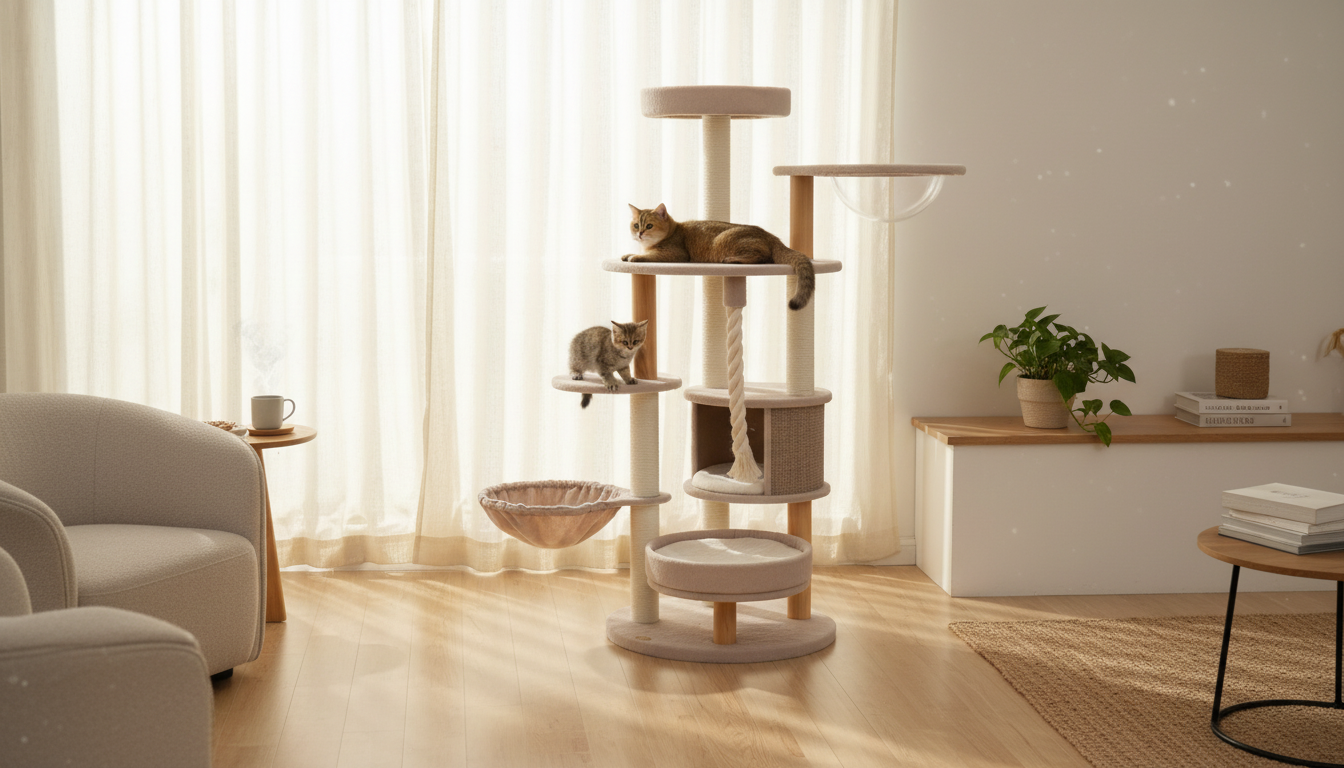
Habitats Tree Scratchers Tower: A Vertical Play and Scratch Space for Cats
A tall cat tower can help channel scratching, climbing, and lounging into one dedicated zone—especially helpful in homes where furniture edges and rugs tend to become tempting targets. Habitats Tree Scratchers Tower is designed to create a vertical habitat that supports daily scratching needs while adding perches for rest and lookout time. For more guidance, see Plant Community Monitoring at Devils Tower National Monument ….
Scratching is a normal feline behavior tied to claw maintenance, stretching, and scent marking. Providing an appealing, stable place to scratch can make it easier to protect the pieces you actually want to keep pristine—while giving your cat a routine-friendly spot to climb, pause, and reset. For further reading, see Pawsitively Purrfect Ways to Keep Cats Happy Indoors.
What a cat scratcher tower adds to a home
- Creates a designated scratching area that can reduce attention to sofas, doorframes, and carpets
- Offers vertical territory, which many cats use for confidence, play, and observation
- Supports natural behaviors like stretching, claw conditioning, and climbing
- Can serve as a predictable rest spot, helping cats settle during busy household moments
- Adds enrichment for indoor cats by providing height changes and distinct zones
Organizations that focus on companion animal welfare consistently recommend providing appropriate scratching outlets rather than punishing unwanted scratching. For a quick overview of why cats scratch and how to manage it, see the ASPCA’s guide to cat scratching behavior. For practical household strategies (like redirection and placement), the Humane Society’s tips on stopping furniture scratching are also useful.
Habitats Tree Scratchers Tower highlights
- Vertical tower layout that encourages climbing and full-body stretching during scratching
- Multiple levels can help multi-cat homes reduce crowding around a single surface
- A single footprint can replace scattered scratch pads and improvised climbing spots
- Best positioned near a social area (living room) or by a window where cats naturally linger
For homes trying to simplify pet “gear” without reducing enrichment, a tower can function like a central station: scratch, climb, perch, then hop down for a play session. If your cat tends to scratch after naps or when you arrive home, a consistent vertical tower location can become part of that daily rhythm.
Where it fits best in the room
- Near a window: adds a lookout perch and can increase daily use
- Close to the cat’s existing “favorite scratch” location: makes switching easier
- Away from unstable foot traffic zones: reduces bumping and helps cats feel secure at height
- On a level surface: improves overall stability and encourages confident climbing
- Near a nap zone: many cats like to scratch after waking and before settling again
Placement often matters more than any attractant. If the current “hotspot” is the corner of a couch, try setting the tower adjacent to that corner first. Once your cat reliably chooses the tower, you can shift it a few inches at a time to a more ideal location—such as near a window or along a wall that keeps the area calm.
Quick comparison: tower vs. other scratching options
Not every cat scratches the same way. Some prefer a tall, vertical stretch; others like a low surface they can rake or knead. The best setup often combines a main tower with one smaller alternative option elsewhere in the home.
Scratching surface options at a glance
| Option | Best for | Considerations |
|---|---|---|
| Scratch tower | Climbers, multi-level lounging, vertical territory | Needs a stable placement and enough clearance around it |
| Vertical scratch post | Cats who mainly stretch-scratch in one spot | Less lounging space; may need multiple posts in larger homes |
| Horizontal scratch pad | Cats that prefer ground scratching and kneading motions | May slide unless weighted; can be easier to shred quickly |
| Wall-mounted scratcher | Small spaces; targeted scratch areas | Requires installation; no built-in perches |
How to encourage a cat to use a new scratch tower
- Place it where scratching already happens, then gradually move if needed
- Use catnip or silvervine on the scratching areas (only if the cat responds to it)
- Reward interest with treats or play when the cat approaches or scratches appropriately
- Trim loose claw tips regularly (as advised by a veterinarian or groomer) to reduce snagging on fabrics
- Avoid scolding for scratching elsewhere; redirect to the tower and reinforce the desired behavior
One practical approach is “catch and pay”: the moment your cat investigates the tower or places paws on it, offer a small treat or a short wand-toy session. If your cat scratches the wrong spot, calmly interrupt with a gentle cue (no yelling), guide them to the tower, and reward when they engage with the correct surface.
Care and upkeep for long-term use
Who this style of tower suits best
Shop related home favorites
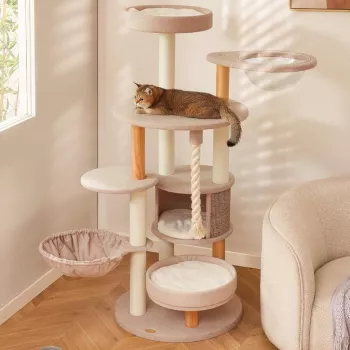
- Habitats Tree Scratchers Tower
- Nordic Rattan Leisure Single Sofa Chair – Solid Wood, Modern Fabric Design
- Elegant Art Deco-Inspired Crystal Branch Chandelier for Dining Room
FAQ
How tall should a scratch tower be for an adult cat?
A good target is a height that lets your cat fully extend their front legs and stretch their body while scratching. Confident climbers often enjoy taller towers with multiple perches, since it combines scratch time with lookout and lounging spots.
Where should a scratch tower be placed so cats actually use it?
Place it near your cat’s current scratching hotspot, a social area where the household spends time, or by a window your cat already enjoys. Location is often more influential than attractants, because cats repeat habits where they already feel comfortable and motivated.
Is a scratch tower better than a simple scratching post?
A tower adds vertical territory, climbing, and lounging in one piece, which can increase daily use and enrichment. A simple post is smaller and easier to fit in tight spaces, so the best choice depends on your cat’s scratching style and how much room you have.













Leave a comment