3-3-3 Rule for Pet Adoption: The First 3 Days to 3 Months
What is the 3-3-3 rule for pet adoption?
The 3-3-3 rule is a simple timeline many shelters and trainers use to describe how a newly adopted pet may adjust to a new home: roughly 3 days to decompress, 3 weeks to settle into routines, and about 3 months to feel fully at home. It’s not a strict schedule, but it’s a helpful way to set realistic expectations—especially if your new dog or cat seems shy, overexcited, or “different” from what you saw at the shelter.
3 days: Decompression and big feelings
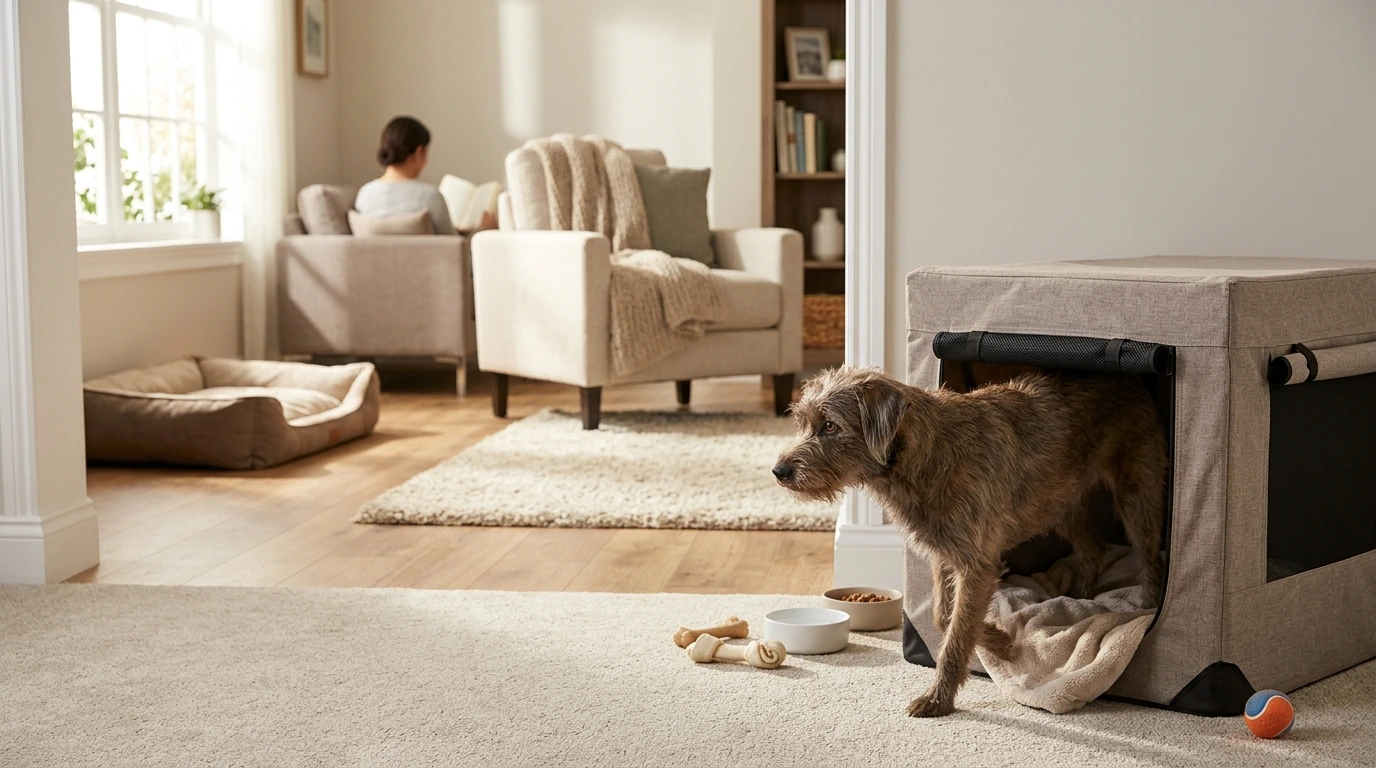
During the first few days, many pets are overwhelmed by new smells, sounds, people, and rules. You may see hiding, pacing, clinginess, low appetite, accidents, or sleep changes. Keep things calm: offer a quiet safe zone, limit visitors, stick to gentle introductions, and keep walks or play short and predictable.
3 weeks: Learning your routine
By a few weeks, most pets start understanding household rhythms—when meals happen, where to potty, which door leads outside, and who does what. This is when behavior can shift: a timid pet may become more confident, or a “perfect” shelter dog may begin testing boundaries. Consistent schedules, clear expectations, and reward-based training help your pet connect the dots.
3 months: Building trust and lasting habits
Around the three-month mark, many pets show their true personality and deeper attachment. Training tends to stick better, triggers become more predictable, and your relationship feels steadier. If challenges remain, this is also a great time to loop in a veterinarian (for health issues) or a qualified trainer/behavior professional (for fear, reactivity, or separation distress).
For a practical way to prepare your home and routines before adoption—so the 3-3-3 transition is smoother—visit this pet adoption readiness guide.
FAQ
How can I help a newly adopted pet feel safe at home?
Create a quiet “safe zone,” keep a predictable schedule for meals and potty breaks, and use treats and praise to reward calm behavior. Introduce new rooms, people, and pets gradually so your new companion can build confidence.












Leave a comment